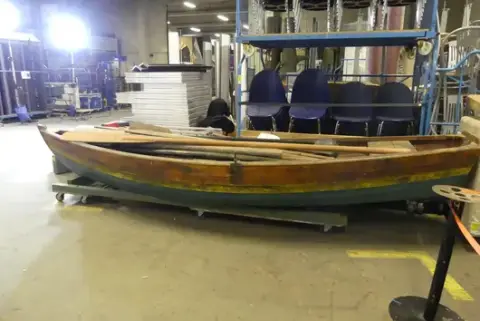
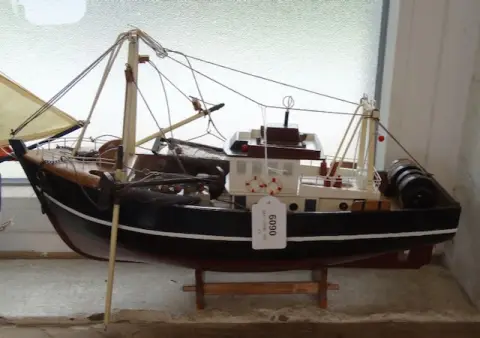
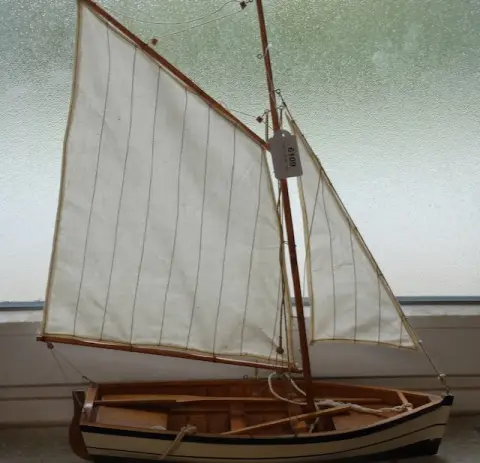



Where these boats and marine equipment come from
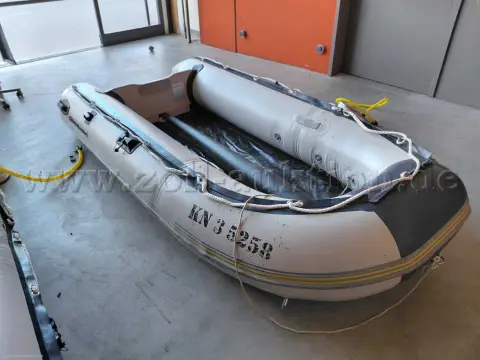
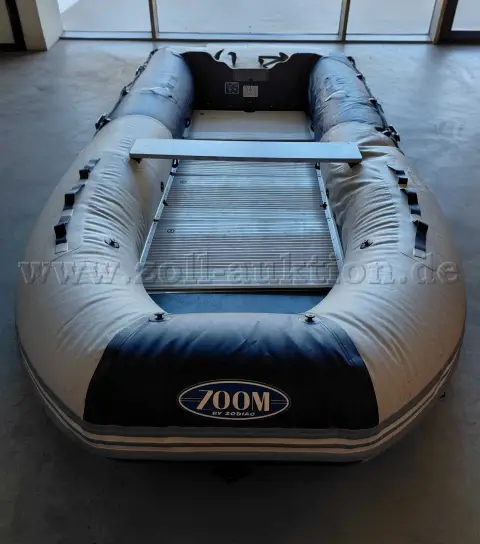
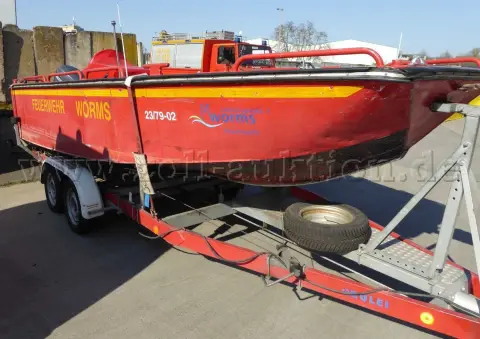
Marine lots come mainly from German public auctions. Customs and municipalities dispose of service boats, RIBs and outboard motors that have become surplus. Courts and bailiffs sell seized units, sometimes immobilised for months. VEBEG sells equipment from government and the military, often by sealed tender, with prices excluding VAT. Add to that liquidations from boatyards, rental companies and insolvent businesses, as well as private auction houses. Each source has its own rules: no buyer's premium at Zoll-Auktion and Justiz-Auktion, buyer's premium elsewhere.
Checks before bidding
Read the German description carefully: "defekt" indicates a defective item, "ungeprüft" untested equipment, "nur Abholung" mandatory collection. For a boat, check the hull, osmosis, engine, electronics, rigging and trailer. Ask whether an inspection (Besichtigung) is possible before the sale: it is common and avoids nasty surprises. Check the paperwork: registration certificate, navigation title, invoices, maintenance history. A lot without documents is hard to resell. Note that many lots end without a single bid, due to lack of visibility outside Germany.
Collection, transport and delivery
Boats are almost always to be collected on site, in Germany. Arrange a tow bar suitable for the weight, a compliant trailer and, if the lot is roadworthy, temporary plates (Kurzzeitkennzeichen) or export plates (Ausfuhrkennzeichen). For a boat that is not roadworthy, use a specialist transporter or a relay address in Germany. Some sellers ship small lots within the country or the EU. A professional in the EU with a valid intra-community VAT number can often buy without German VAT, on presentation of proof of transport. Bidorado shows the all-in price.