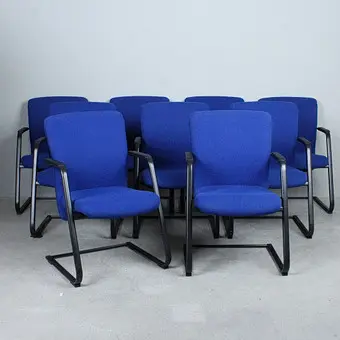
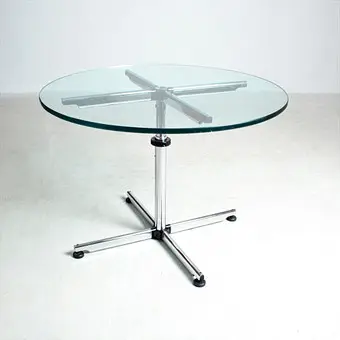
Where these furniture lots come from
Office furniture comes mainly from three sources. Public authorities and municipalities part with their old equipment during upgrades, via customs or the federal company that manages state property. Insolvent or liquidating companies clear their premises, and liquidation platforms then sell desks, cabinets, pedestals and chairs in lots. Finally, private auction houses offer antique and designer furniture, often piece by piece. Conditions are described in German: "defekt" for defective, "ungeprüft" for untested. Bidorado translates these terms and shows the all-in price, including buyer's premium and VAT.
What to check before bidding
Read the German listing in full. For a lot of several items, check whether the price covers the whole lot or a single unit, and whether anything is missing: keys, locks, castors, gas lifts, shelves. A chair is often sold without any guarantee that it works, a dismantled cabinet without instructions. Look closely at the photos: scratches, chipped veneer, signs of wear and actual dimensions, because a desk may not fit through a door. At private auction houses, a buyer's premium is added, often between 15 and 33%, plus German VAT of 19% depending on the scheme. Bidorado includes these in the displayed price.
Collection, transport and delivery
Bulky furniture is almost always to be collected on site, marked "nur Abholung". Bring a suitable vehicle, tools for dismantling, straps and sometimes help on site. Check the collection times and the deadlines imposed after the award. Small items, individual chairs or accessories, are sometimes shipped within Germany or the EU. Otherwise, a carrier or a relay address in Germany lets you bring the lot over. A professional in the EU with a valid VAT number can often buy without German VAT by providing proof of transport, depending on the seller.