








Where these fashion lots come from
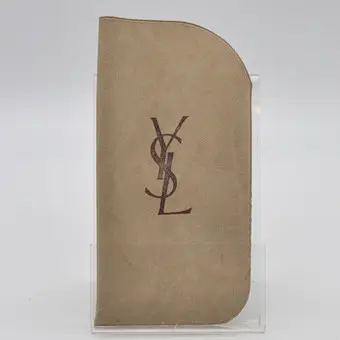
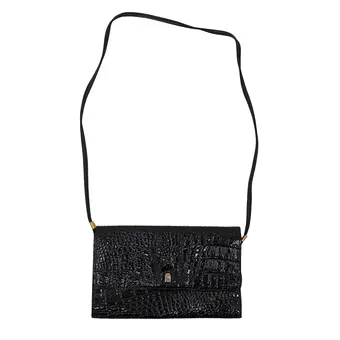
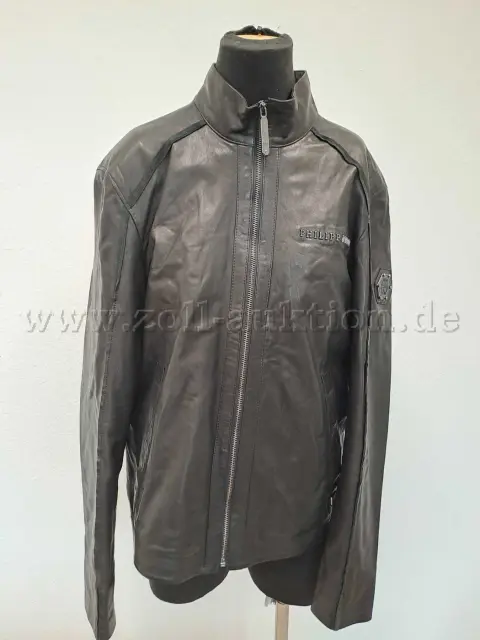
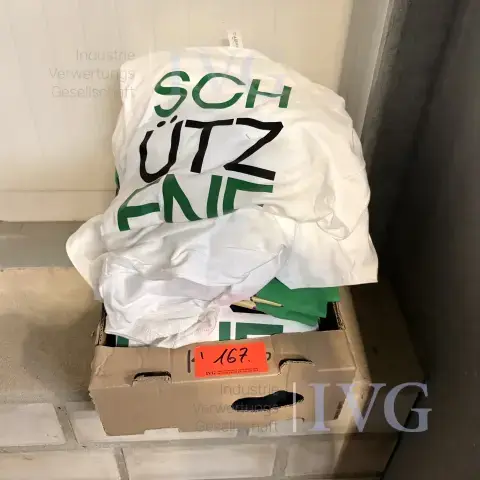
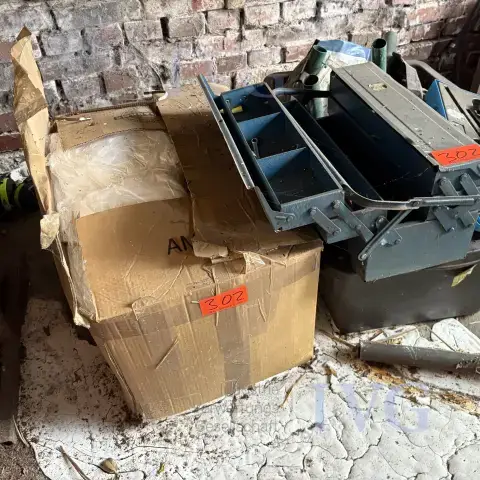
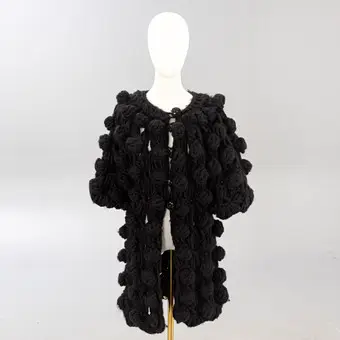
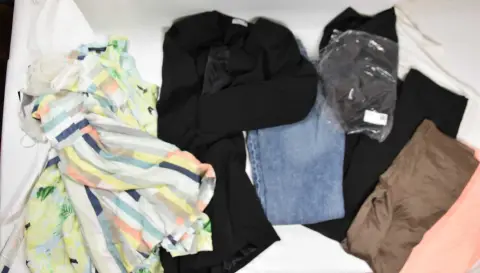
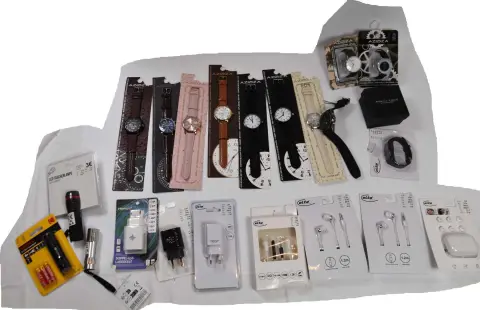
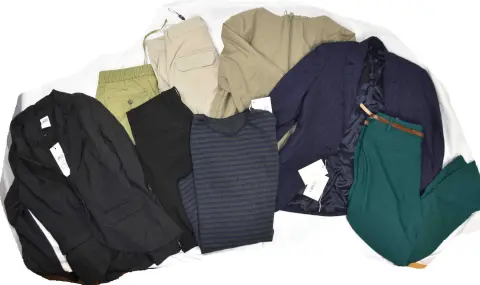
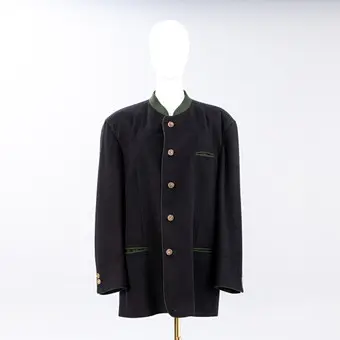
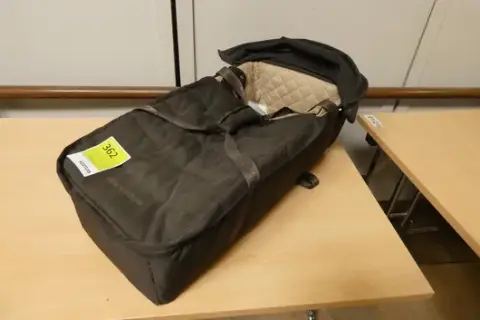
The accessories and clothing put up for sale come mainly from seizures carried out by bailiffs and courts, from the stock of insolvent or liquidated companies, and from goods confiscated by customs. Fashion pieces and bags also appear at auction houses, where they sit alongside antique furniture and design. Liquidation and insolvency platforms move larger lots, sometimes as bundled lots. Each seller publishes its own terms, deadlines and payment method. Bidorado sells nothing: it gathers these scattered sales and links to the seller's official website to bid.
Checks before you bid
Read the German description carefully: "defekt" indicates a faulty item, "ungeprüft" an untested lot, and some mentions reserve the sale to professionals. For a bag or a garment, check the actual condition, dimensions, size, defects visible in the photos and any missing original accessories. At private auction houses, buyer's fees are added, often between 15 and 33%, plus German VAT of 19% depending on the regime applied. Bidorado shows the all-in price for comparison. An EU business with a valid intra-community VAT number can often buy VAT-free by providing proof of transport.
Collection on site or shipping
Small items, bags and accessories are sometimes shipped, within Germany or the EU, depending on what the seller provides. Furniture, however, is almost always to be collected on site, marked "nur Abholung". Before bidding, check the exact location, collection times and the deadline allowed after the sale. If you cannot travel, a carrier or a relay address in Germany can collect the lot and send it on. Include the cost of transport and packaging in your budget, as these are not included in the price shown.