


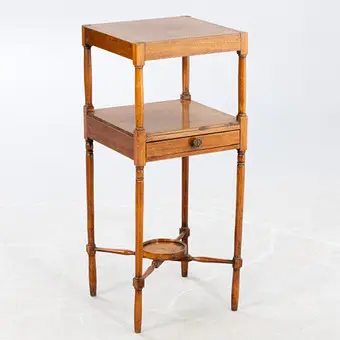
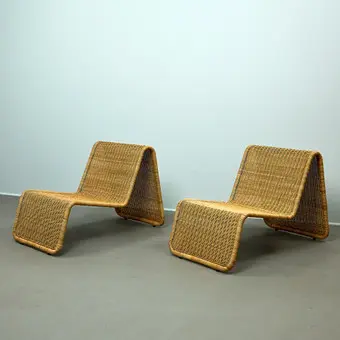

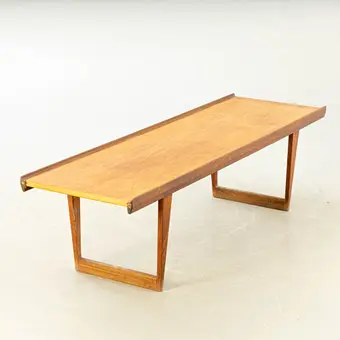
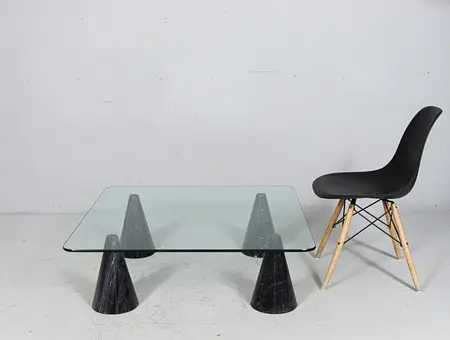

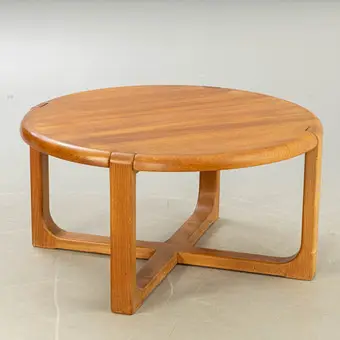
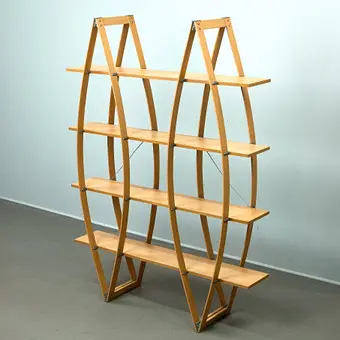
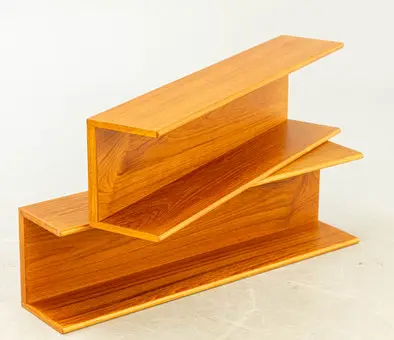
Where the furniture for sale comes from
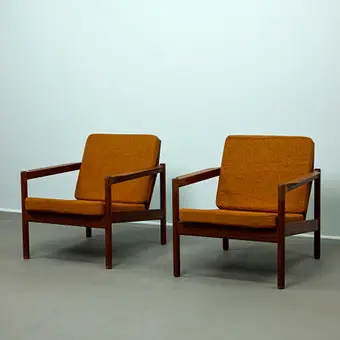
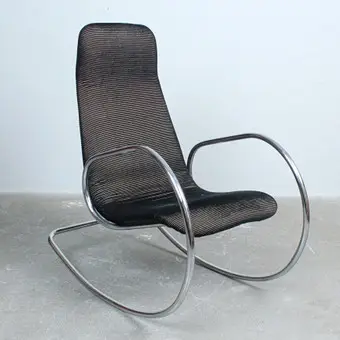
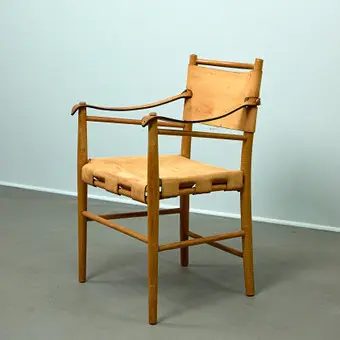
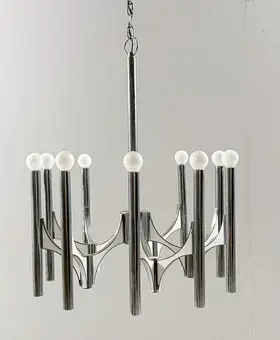
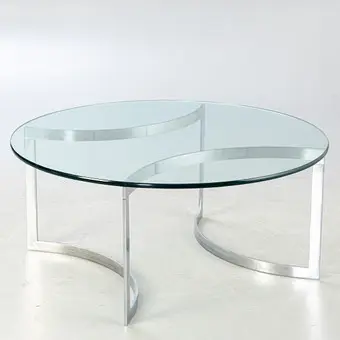
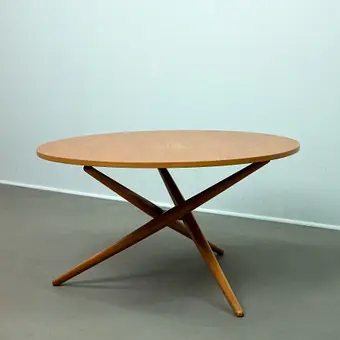
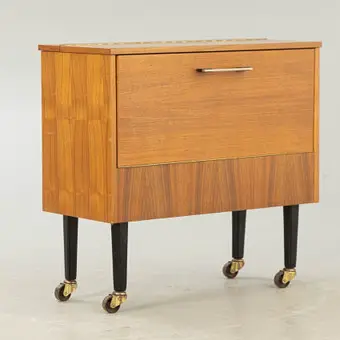
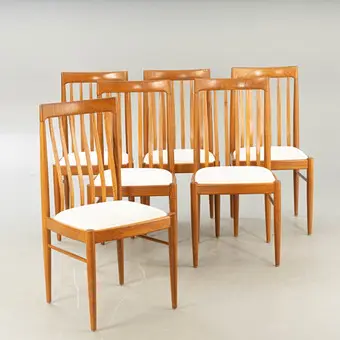
The furniture on offer comes mainly from three sources. Public authorities and municipalities part with desks, cabinets, seating and shelving through German public platforms. Insolvent or liquidating companies sell off their entire furnishings, often in grouped lots, on liquidation and insolvency platforms. Finally, private auction houses disperse antique, design and collectible pieces from estates or seizures. Furniture seized by bailiffs and courts also goes through judicial sales. Each source has its own rules, fees and timeframes, which Bidorado flags on the lot page.
What to check before bidding
Read the German description carefully: "defekt" indicates a defective item, "ungeprüft" an untested lot. For a desk, check the dimensions, whether keys are included, and the condition of the locks, castors and gas struts. For an antique or designer piece, look closely at the photos: lifted veneer, missing feet, restorations, worn fabric or leather. Check whether the lot is sold by a professional, as German VAT of 19% and buyer's fees are then added to the price. Bidorado shows the all-in price so you can compare offers. A valid intra-community VAT number can sometimes allow you to buy VAT-free, depending on the seller.
Collection in person or delivery
Furniture is bulky and fragile: many lots are sold "nur Abholung", to be collected in person, from a specific German town or warehouse. Arrange a suitable vehicle, help and protective materials, and respect the collection window set by the seller. Some small items, such as chairs, lighting or accessories, are sometimes shipped within Germany or the EU. For heavy furniture, you can use a carrier or a relay address in Germany. Always get a quote before bidding: the cost of transport can exceed the price of the lot.