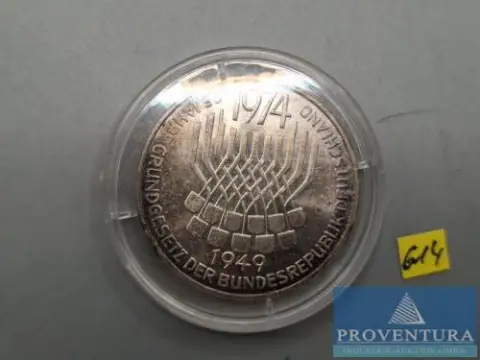
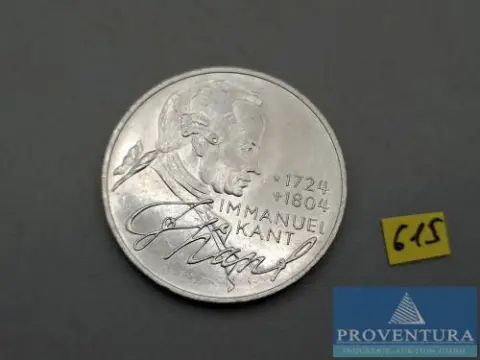
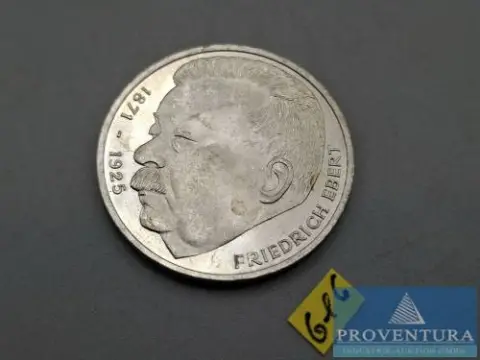
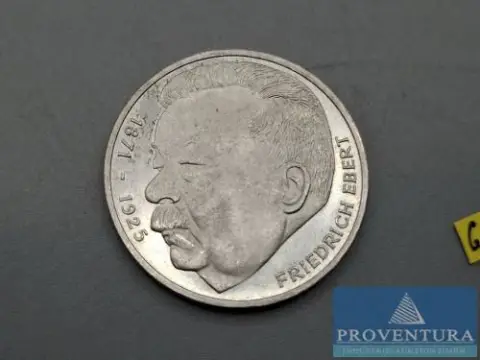
Where coin and stamp lots come from
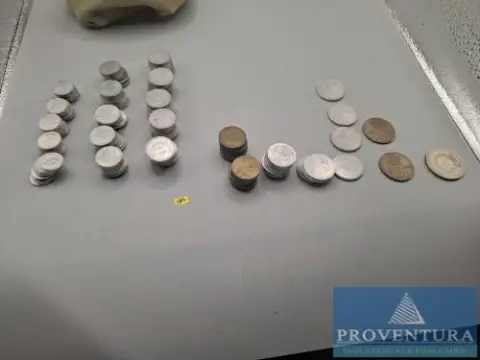
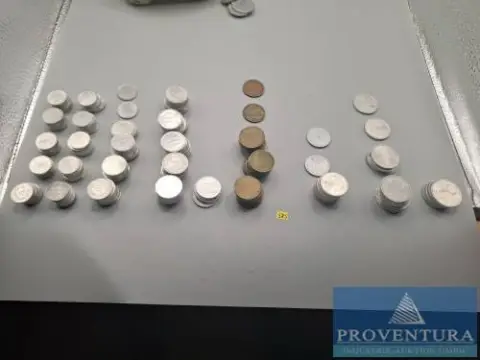
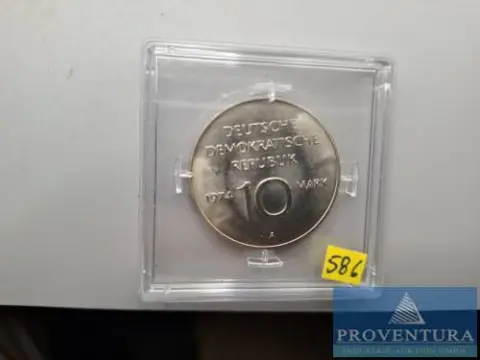
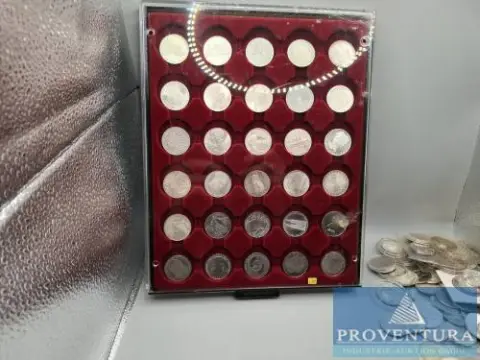
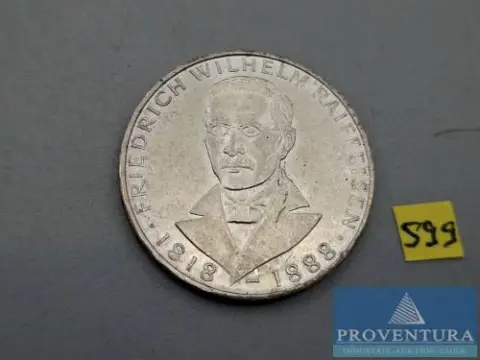
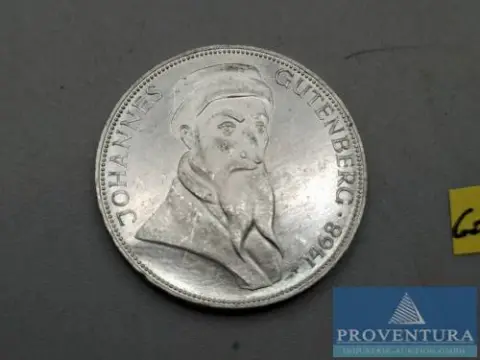
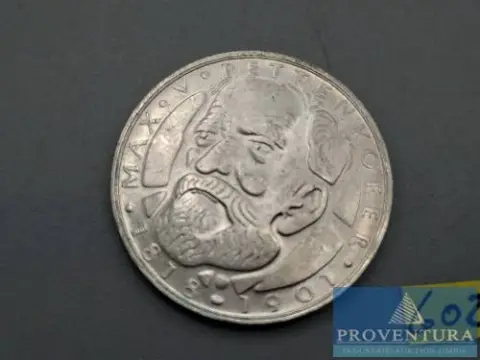
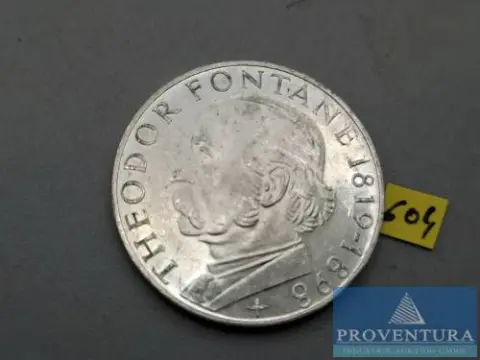
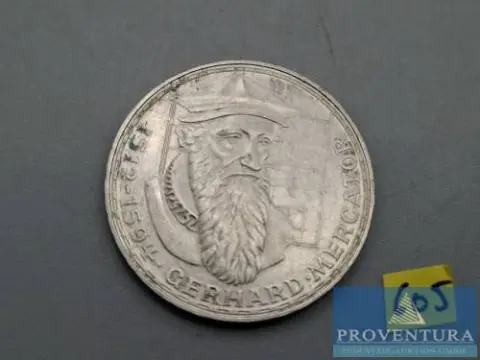
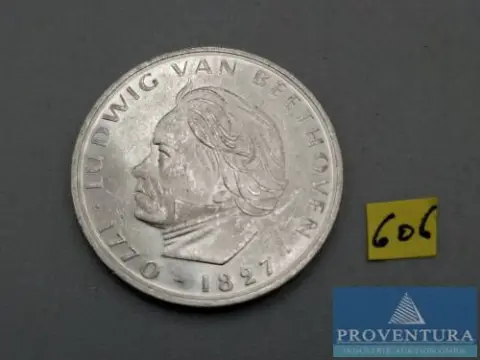
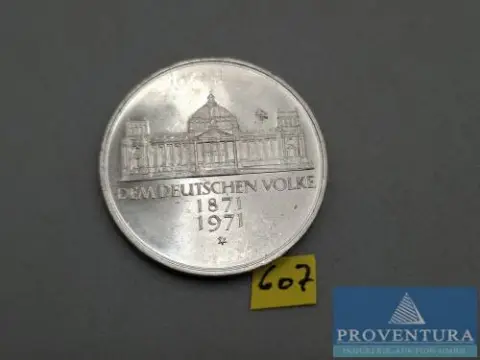
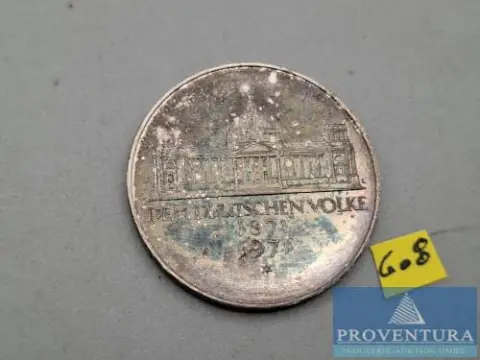
Coins and stamps sold at auction in Germany come from a variety of sources. Art auction houses offer catalogue sales, in the room with live online bidding, or timed online sales. Goods seized by bailiffs and courts go through Justiz-Auktion, which also handles jewellery and valuables. Customs and municipalities sell seized items on Zoll-Auktion, with no buyer's premium. Liquidation and insolvency platforms complete the offering. Each seller applies their own terms, which you should read before bidding.
Checkpoints before bidding
At private auction houses, a buyer's premium is added, often 25 to 33%, plus German VAT of 19% depending on the scheme: VAT added, VAT included or margin scheme. Bidorado shows the all-in price. Check the condition described in German, the published estimates (Schätzpreis), any purchase orders and the resale right (Folgerecht) on certain works by living or recent artists. For coins, check the authenticity, years and metals stated. For stamps, examine the condition, perforations and cancellations. A valuable cultural good may require an export authorisation outside the EU.
Collection, delivery and transport
Many lots are to be collected on site, marked "nur Abholung". Some sellers ship within Germany or the EU. For a bulky or fragile lot, arrange a carrier or a forwarding address in Germany. An EU professional with a valid intra-community VAT number can often buy without German VAT by providing proof of transport (Gelangensbestätigung), depending on the seller. For coins and stamps, insured and tracked shipping is preferable. Ask about shipping terms and timescales before confirming your bid.