



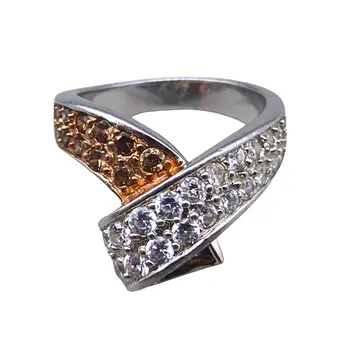
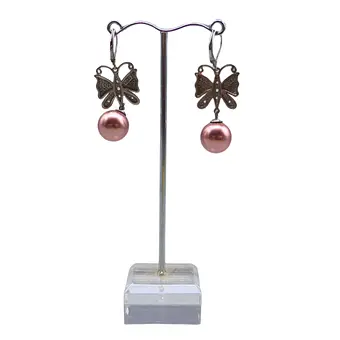
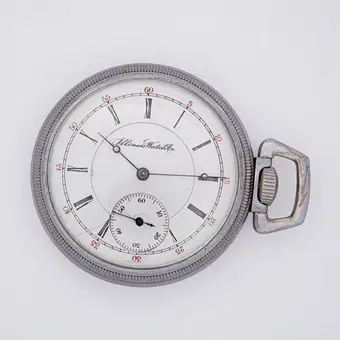
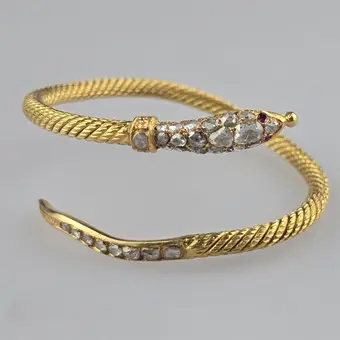

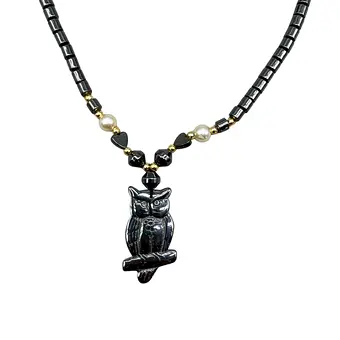

Where the jewellery and watches on sale come from
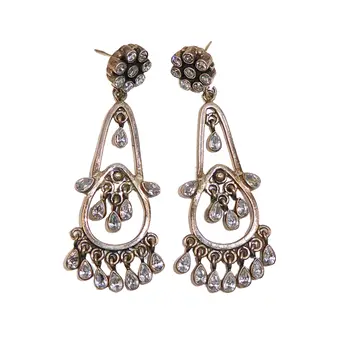
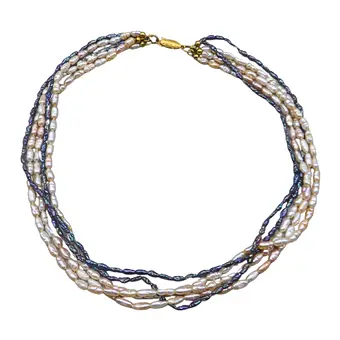
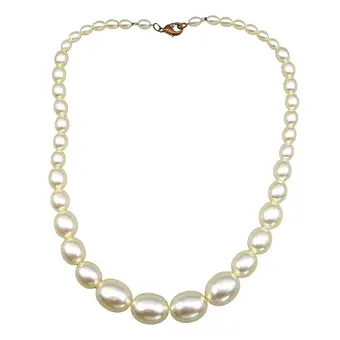
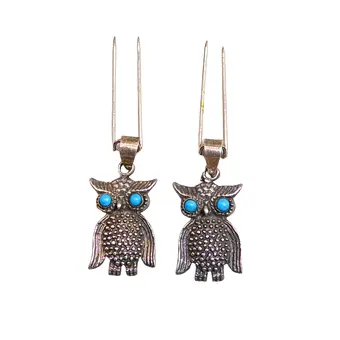
The jewellery and watches on offer come from a range of sources. German art auction houses include them in their catalogued sales, in the room with live online bidding, or in timed online sales. Assets seized by bailiffs and courts also go through Justiz-Auktion, with no buyer's premium. Customs and municipalities sell seized items via Zoll-Auktion. Terms differ depending on the source: a published estimate and a purchase order with licensed auctioneers, or a simple starting price with no estimate in judicial sales. Always check the stated provenance and the sale terms before you bid.
Checks before you bid
Read the German lot description and the notes on Bidorado. Condition is often stated: defekt, ungeprüft, or missing stones and batteries. For jewellery, check the metal, hallmarks, weight and the condition of clasps. For watches, check the movement, whether the original strap is present, signs of wear and whether there has been a recent service. At private auction houses, buyer's premiums often range from 25 to 33%, plus 19% German VAT depending on the scheme, whether added on top, included or under the margin scheme. A resale royalty may apply to certain works by living or recently deceased artists. Published estimates are not guaranteed prices.
Collection, delivery and export
Many lots must be collected on site, stated as nur Abholung. Some sellers ship within Germany or the EU. A carrier or a forwarding address in Germany lets you bring a lot over. For valuable jewellery and watches, an export licence may be required outside the EU under cultural goods rules. An EU business with a valid intra-community VAT number can often buy without German VAT by providing proof of transport, depending on the seller. Ask about collection terms, deadlines and costs before you bid, and keep the transport documents.