











Provenance and nature of the lots
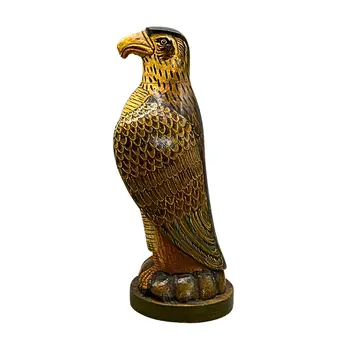
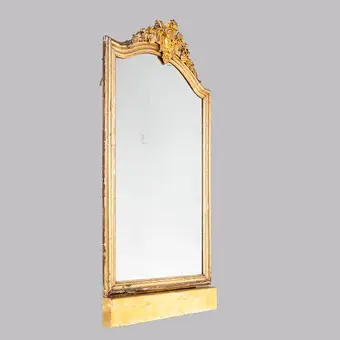
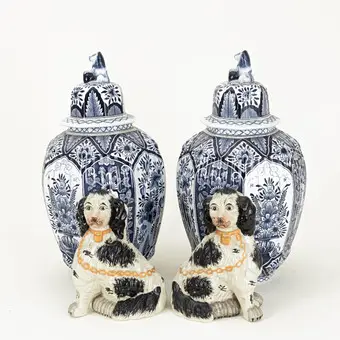
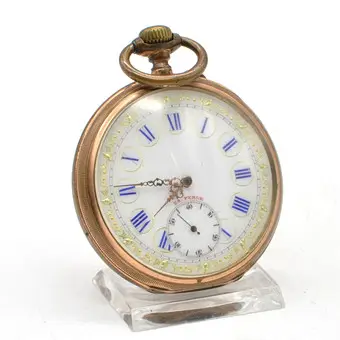
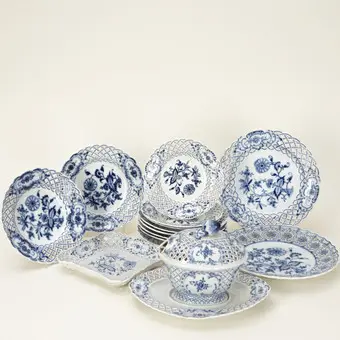
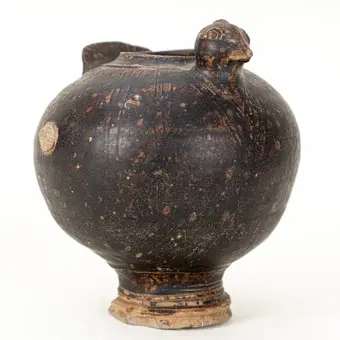
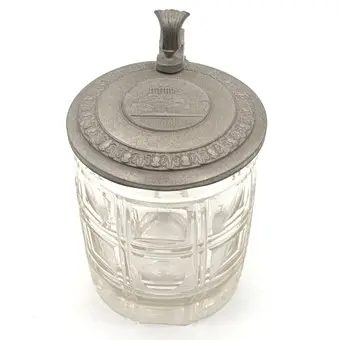
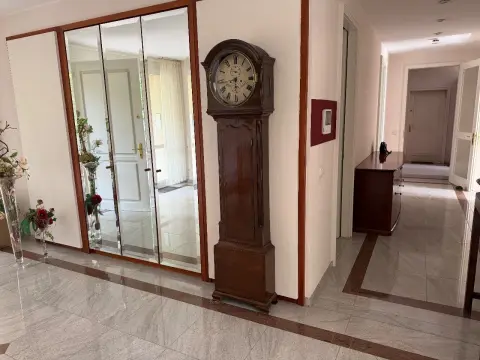
The antiques on offer come mainly from German auction houses, which sell on estates, private collections and dealers' stock. You will find period furniture, decorative objects, small statuary and collectables. Some lots also come from seized assets sold by the justice system, in particular jewellery and valuables. Catalogues generally state the provenance, dimensions, condition and visible restorations. Read these details carefully: documented provenance and detailed photographs remain your best guide before bidding on a lot.
Checks before you bid
First identify the type of sale: a saleroom with live online bidding, or a timed online sale. Buyer's fees at auction houses are higher than on other markets, often between 25 and 33%, plus German VAT at 19% depending on the scheme applied, VAT added, VAT included or margin scheme. Check whether the droit de suite applies to certain works by living or recent artists. Compare the published estimate with the all-in price shown by Bidorado, check the actual condition, any losses and repairs, and ask for photos or a condition report before the sale closes.
Collection, delivery and export
Many lots are to be collected on site, and the corresponding German wording appears in the listing. Some sellers ship within Germany or the EU, and you can use a carrier or a relay address in Germany to bring over a fragile lot. For bulky or heavy items, ask for a quote before bidding. For certain valuable cultural goods, an export licence may be required outside the EU: look into it early, as the process takes time. An EU professional with a valid intracommunity VAT number can often buy without German VAT by providing proof of transport, depending on the seller.