


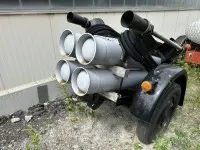
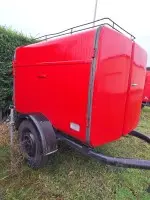
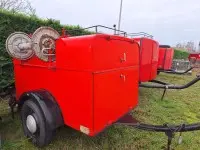
Where the trailers for sale come from
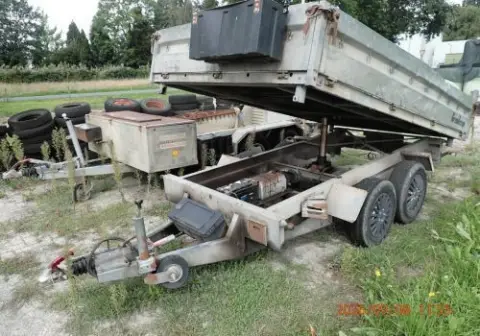
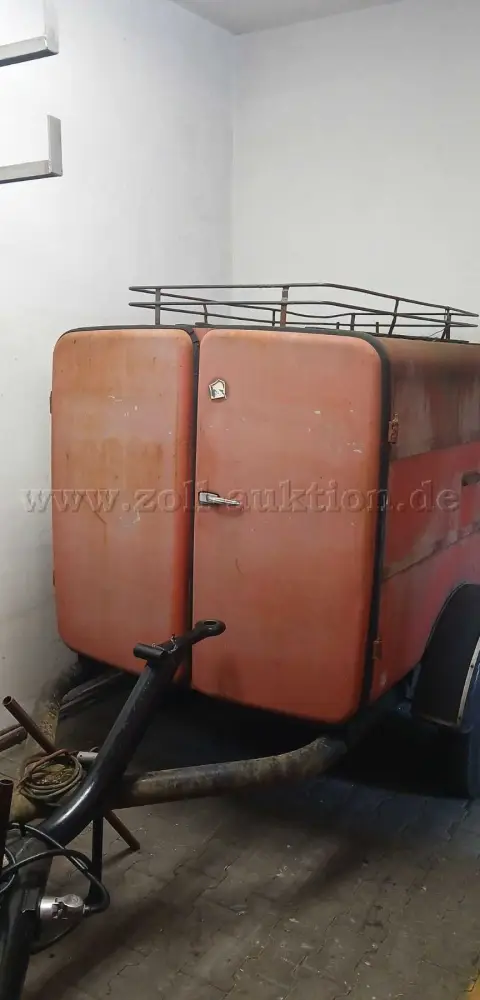
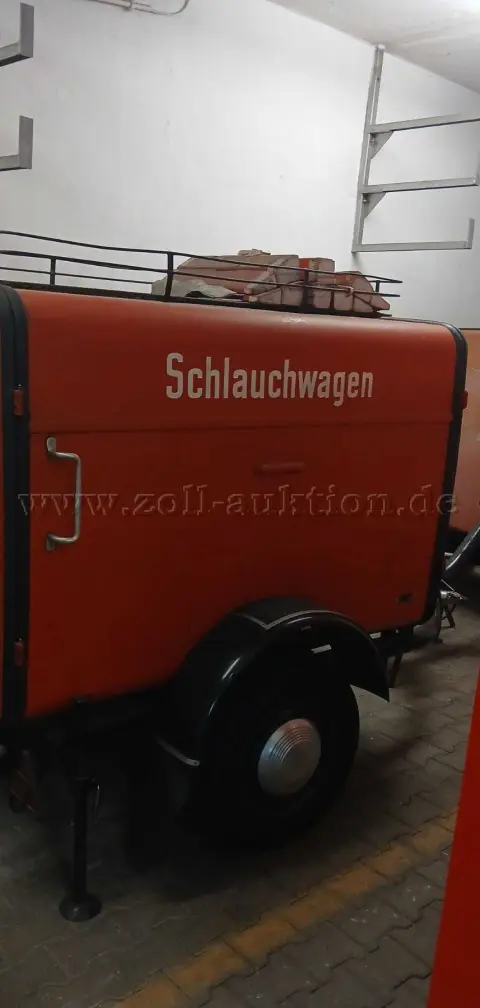
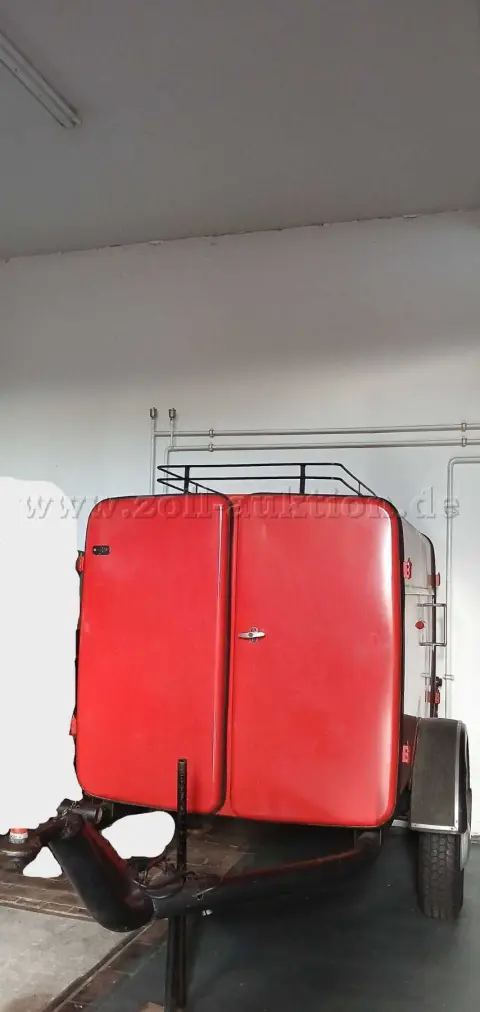
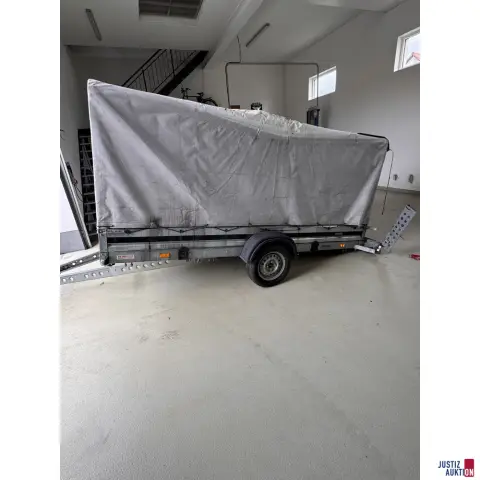
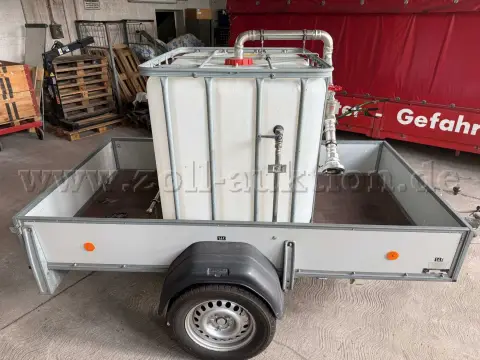
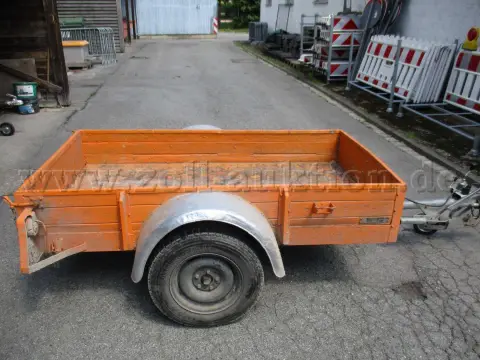
The trailers on offer come mainly from three families of sellers. Customs and public authorities sell their decommissioned equipment, including utility trailers from municipal fleets or emergency vehicles. Courts and bailiffs put seized assets up for sale, sometimes trailers from estates or disputes. Company liquidations and federal equipment sales complete the picture, with fleet equipment that is often well maintained. At private auction houses, buyer's fees are added to the price. Bidorado brings these scattered sales together, translates the listings and shows the all-in price, but you always bid on the seller's official website.
Checks before bidding
Read the German description carefully: "defekt" indicates a defective item, "ungeprüft" an untested lot, and "nur Abholung" requires collection on site. For a trailer, check the drawbar type, the braking system, the condition of the floor, the sides and the lights, as well as whether the documents are present. The Zulassungsbescheinigung Teil I and II serves as the registration certificate; without it, registering the trailer in your own country becomes difficult. The HU/TÜV inspection may have expired. A viewing or Besichtigung is often possible before the sale: ask for one, inspect the chassis and tyres, and put your questions to the seller in writing.
Collection, transport and registration
Trailers almost always have to be collected on site in Germany. Arrange a roadworthy towing vehicle, or a transporter, and a relay address if you cannot travel yourself. To drive it home, you need export plates (Ausfuhrkennzeichen) or temporary plates (Kurzzeitkennzeichen), with suitable insurance. On arrival, registering the trailer in your own country requires a certificate of conformity, the registration procedure of your country and, where applicable, a tax clearance. An EU business with a valid VAT number can often buy without German VAT by providing proof of transport, depending on the seller.