





Where these lots in Germany come from
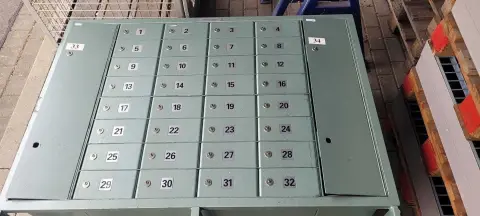
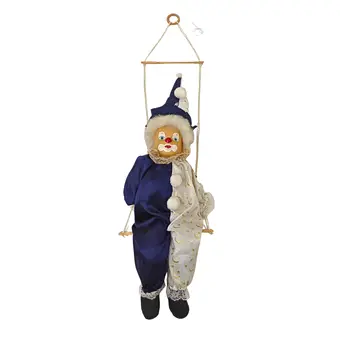
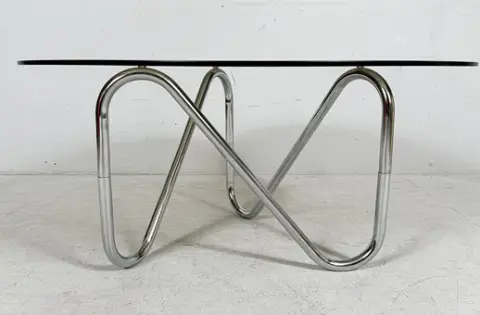
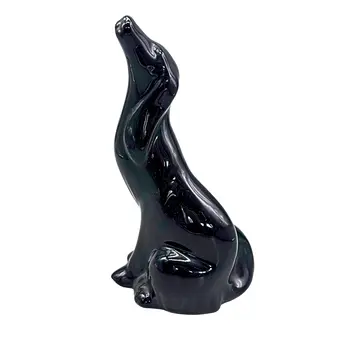
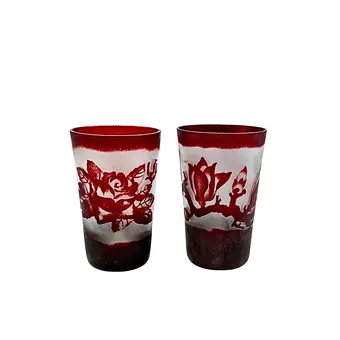
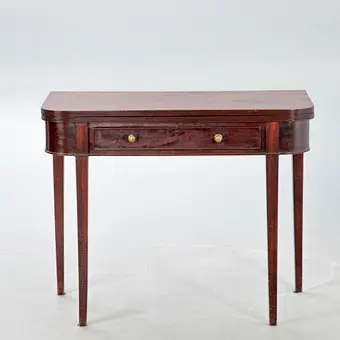
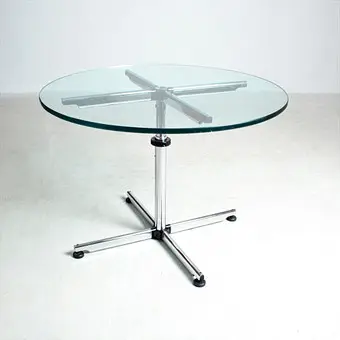
The lots in this category come from German public sources. Zoll-Auktion, the platform of customs and local authorities, sells office furniture, equipment and seized goods. Justiz-Auktion auctions assets seized by bailiffs and courts. VEBEG, a federal company, sells government and military equipment, often by sealed-bid tender. Liquidation and insolvency platforms such as Restlos, IVG, NetBid or AURENA disperse the contents of bankrupt businesses: complete offices, shelving, fashion stock. Finally, hundreds of private auction houses offer antique furniture, design, bicycles, sports equipment and seized bags. Each seller sets their own terms, so it pays to compare before bidding.
How to bid from your country
Bidorado does not sell anything: it displays the lots and redirects you to the seller's official website to bid. Create an account with the seller concerned, read the terms of sale and check whether the auction is open to private individuals or restricted to businesses. Public platforms are paid online, often by bank transfer or card. At private auction houses, you sometimes need to register in advance, pay a deposit or send a written purchase order. Descriptions are in German: look out for terms like defekt, ungeprüft, ohne Festplatte or nur für Gewerbetreibende, which Bidorado flags. Watch the closing date, as sales are scattered and many lots go without a single bid. Bidorado's Radar is designed to spot these bargains before the end.
The real price: fees, VAT and all-in price
The price shown is not always the price paid. At private auction houses, buyer's fees, the Aufgeld, are added, often between 15 and 33 per cent, plus German VAT of 19 per cent depending on the regime: VAT added, VAT included or the margin scheme, the Differenzbesteuerung. Public platforms such as Zoll-Auktion and Justiz-Auktion do not charge buyer's fees, but VAT may apply. VEBEG often shows prices excluding VAT. Bidorado calculates the all-in price for each lot, which allows a real comparison. An EU business with a valid VAT identification number can often buy without German VAT by providing proof of transport, the Gelangensbestätigung, if the seller accepts it. Check this point before bidding.
Collection and transport of lots
Many lots must be collected on site, marked nur Abholung. This is common for furniture, office desks, shelving and bulky items. Some sellers ship within Germany or the EU, especially for small items such as fashion, bags or sports accessories. For a heavy piece of furniture, arrange a carrier or a relay address in Germany, then organise the onward transport to your country. Ask the seller for dimensions, weight and access conditions before confirming. Collection is often by appointment, within a specific time slot, and packaging is not always provided. A transport quote obtained in advance avoids unpleasant surprises. If the seller offers shipping, check that it covers your address.
Paperwork and formalities
To bid, an identity document and an account with the seller are often enough. EU businesses can request an invoice without VAT by presenting a valid VAT identification number and proof of transport. For purchases between private individuals or via certain platforms, VAT is already included. Keep the invoice, the payment receipt and the transport document: they are useful in case of an inspection or a resale. If you buy to resell, check the VAT regime applied, because the margin scheme and VAT added are not treated in the same way. For seized lots, no additional document is in principle required, but the seller may ask for a certificate. If in doubt, ask the seller before the auction closes.
Pitfalls to avoid
The first pitfall is believing that the price shown is the final price. Add buyer's fees and VAT at private auction houses. The second is neglecting collection: a bulky piece of furniture to be collected on site can be expensive to transport. The third is misreading the condition described in German: defekt, ungeprüft or ohne Festplatte change the value of the lot. The fourth is forgetting that some lots are reserved for businesses, nur für Gewerbetreibende. The fifth is missing the closing date, because sales are scattered and little known outside Germany. Finally, do not rely on a single photo: ask for details on condition, dimensions and defects before bidding. The Bidorado Radar helps you not to miss interesting lots.