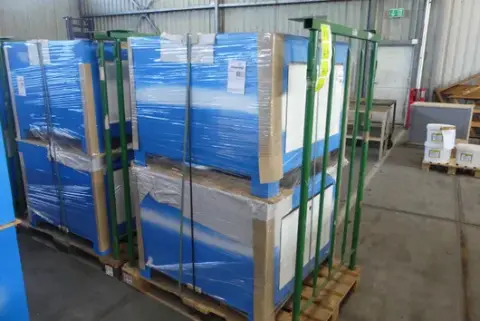
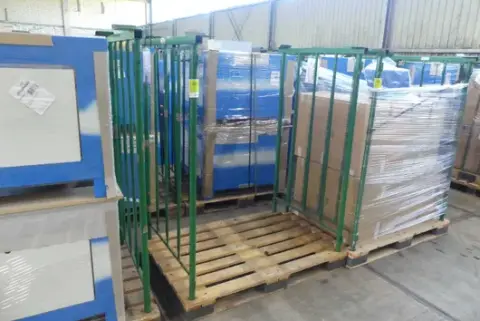
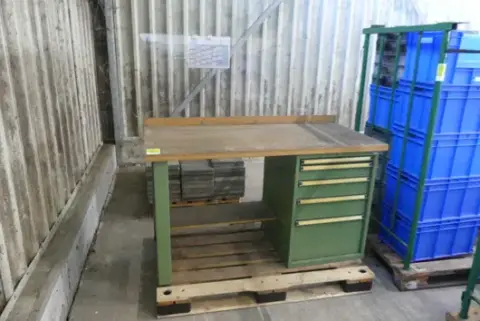
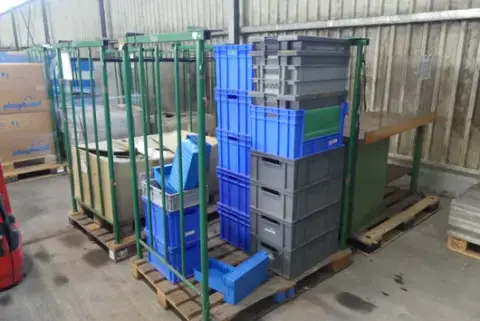
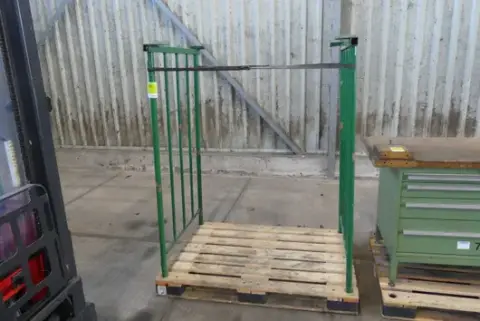
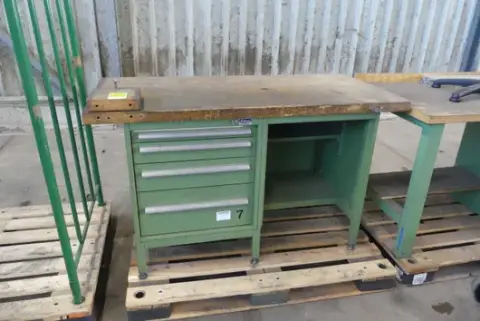
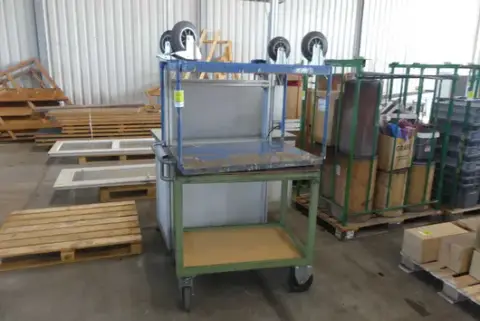
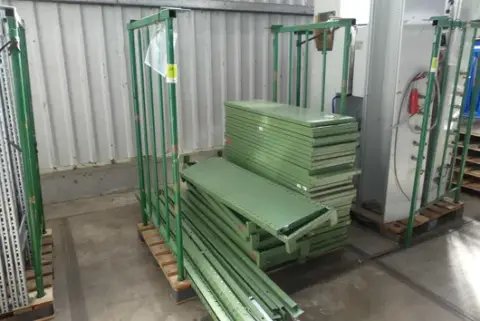
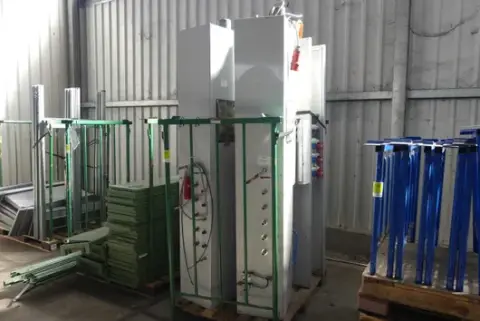
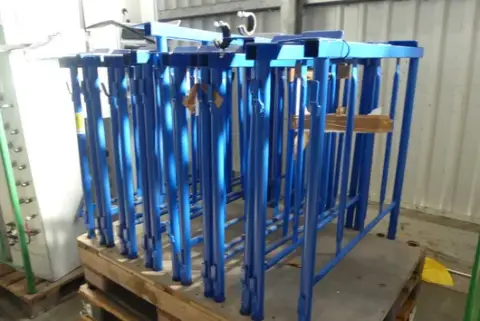
Where these workshop lots come from
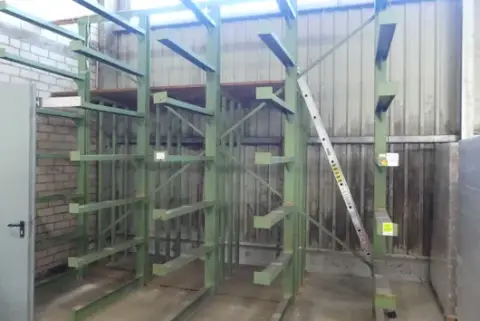
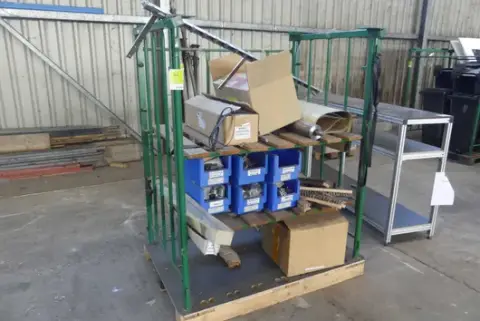
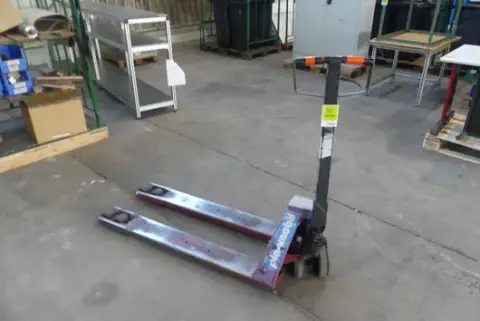
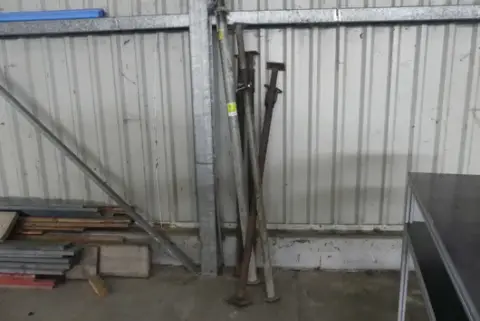
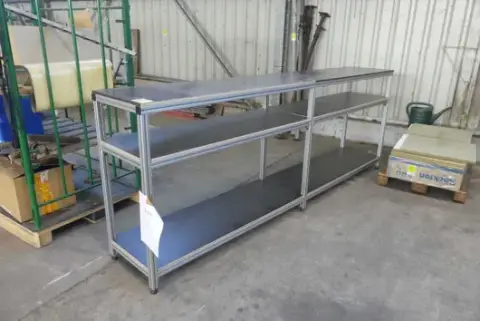
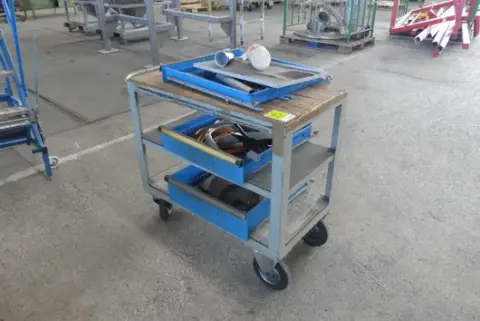
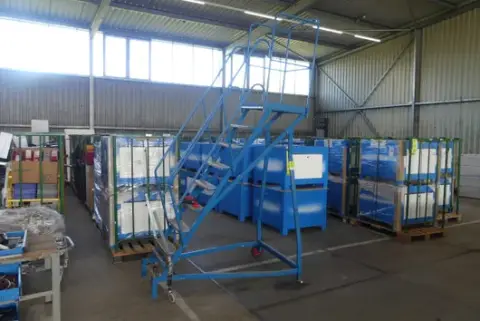
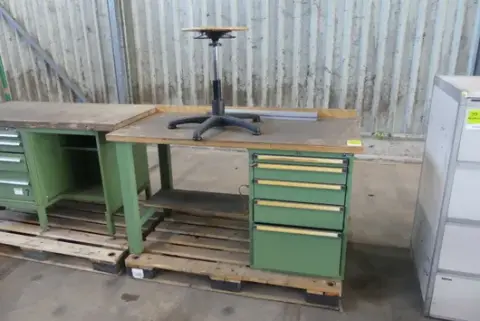
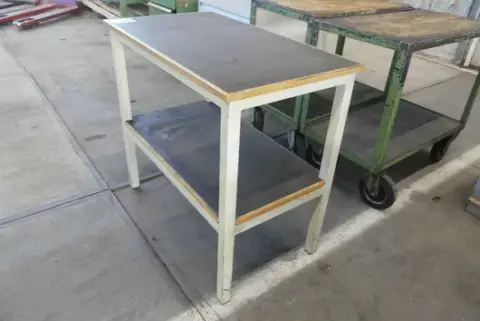
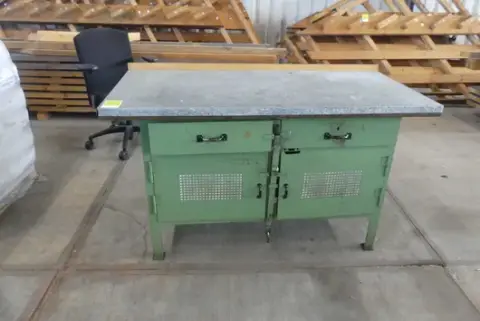
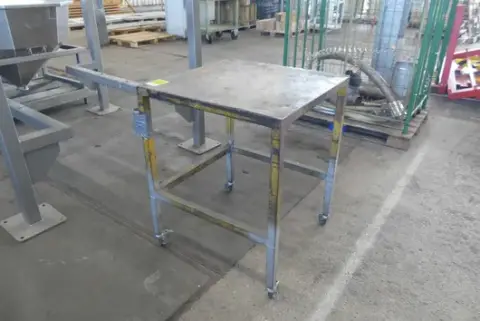
Workshop equipment mainly comes from company liquidations handled by insolvency administrators, who disperse machine tools, tools, workbenches and handling equipment. Add to that sales by customs, courts and the federal company that sells off government equipment, as well as liquidation platforms and auction houses. Workshop, construction, catering, agricultural or medical equipment therefore end up mixed in the same catalogues. Listings are written in German and sales remain little known outside Germany, which sometimes leaves lots without any bid.
Checkpoints before bidding
Read the German description carefully: "defekt" indicates a faulty device, "ungeprüft" an untested lot, and some machines are reserved for professionals ("nur für Gewerbetreibende"). Check the voltage, phase and CE conformity, especially for a machine tool or medical device. Ask for photos and videos of it running when possible. At private auction houses, buyer's fees are added, often between 15 and 33 per cent, plus German VAT of 19 per cent depending on the regime. An EU business with a valid intra-community VAT number can often buy VAT-free by providing proof of transport.
Collection, dismantling and delivery
Many lots are to be collected on site, marked "nur Abholung". Dismantling and removal remain the buyer's responsibility, within a deadline set by the seller, sometimes with an approved carrier. A machine tool or forklift rarely moves without lifting equipment: plan tools, straps and labour before bidding. Some sellers ship within Germany or the EU. Otherwise, a carrier or a relay address in Germany allows the lot to be brought over. Check the weight, dimensions and site access before confirming your bid.