


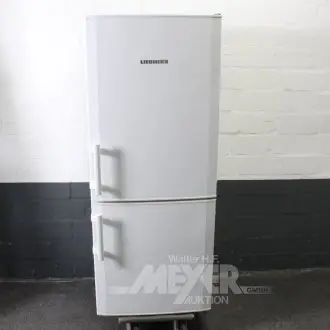
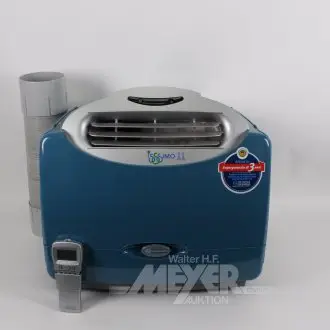
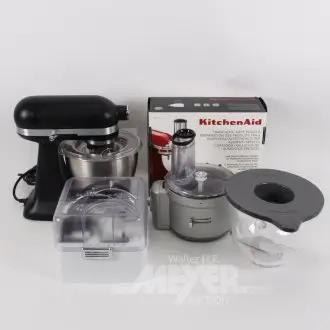
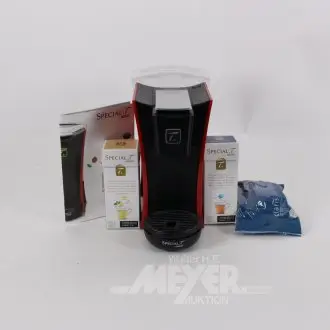
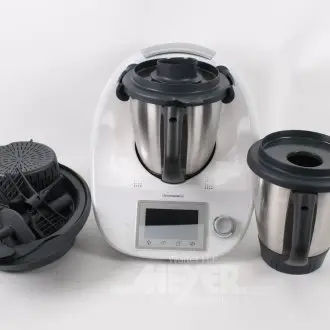
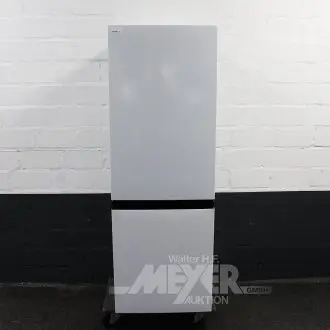
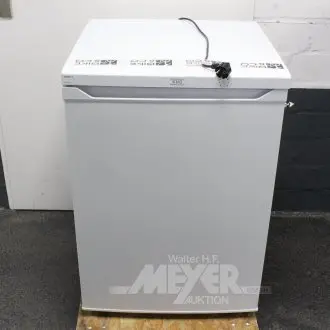
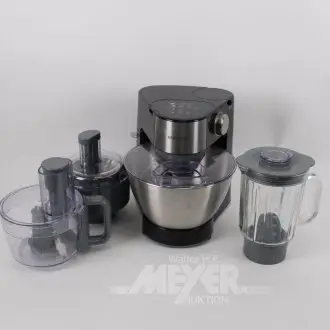
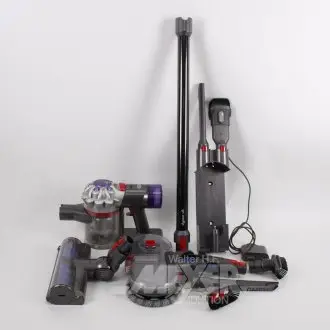
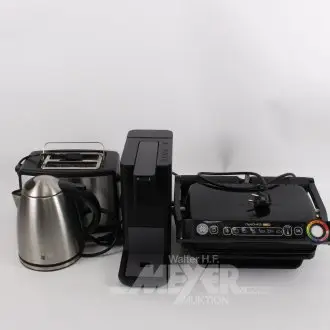
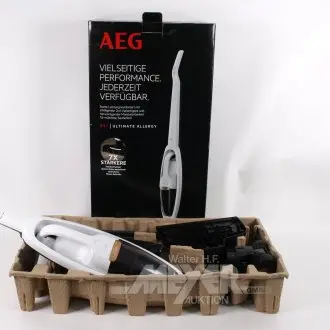
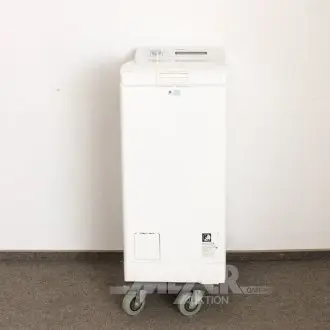
Where these home appliance lots come from
Home appliance lots come mainly from three sources. German customs and public authorities sell off decommissioned or seized equipment on Zoll-Auktion, with no buyer's premium. Courts and bailiffs offer seized goods on Justiz-Auktion, also with no buyer's premium. Liquidations and insolvency proceedings clear entire stocks, sometimes new, via specialised platforms or auction houses. At the latter, buyer's premiums apply, often between 15 and 33%, plus German VAT of 19% depending on the applicable regime. Bidorado brings these scattered sales together and displays the all-in price, so you can compare usefully before bidding.
Checkpoints before bidding
Read the German description carefully. "Defekt" indicates a faulty appliance, "ungeprüft" an untested lot, "ohne Festplatte" is more relevant to IT. For home appliances, check the voltage, energy class, condition of seals, drums or heating elements, and whether accessories are included. A lot sold as multiple appliances may contain parts for repair. "Nur für Gewerbetreibende" restricts the sale to businesses. Many lots go unsold for lack of visibility outside Germany: Bidorado's Radar helps you spot these opportunities. Always allow a margin for transport and possible refurbishment.
Collection in person or delivery
Many lots are to be collected on site, indicated by "nur Abholung". Other sellers ship at least within Germany, sometimes within the European Union. If the seller does not ship to your country, you can use a carrier or a relay address in Germany to receive the lot and forward it. Check the weight and dimensions before bidding, as a bulky appliance is expensive to move. An EU business with a valid intra-community VAT number can often buy without German VAT by providing proof of transport, depending on the seller. Bidorado does not sell anything: the auction takes place on the seller's official website.