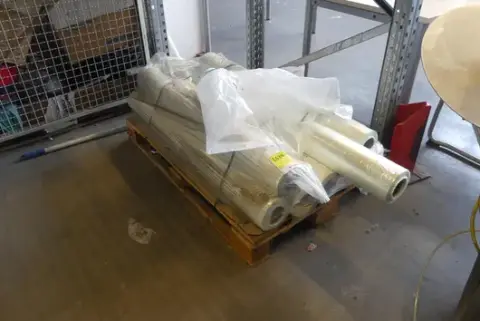
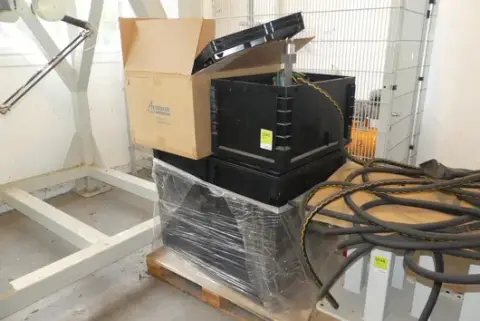
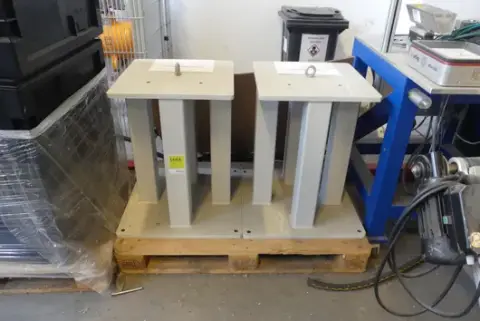
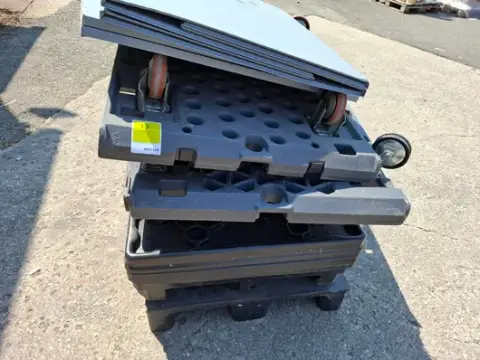
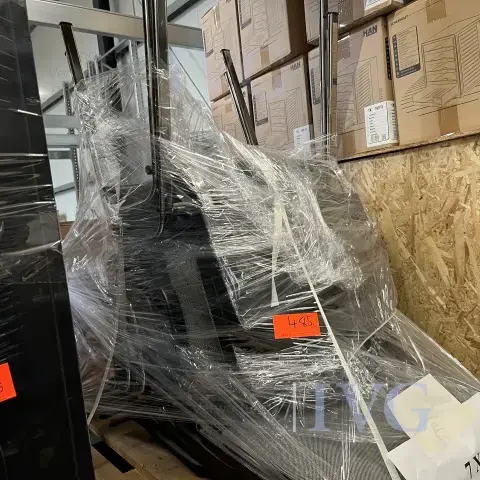
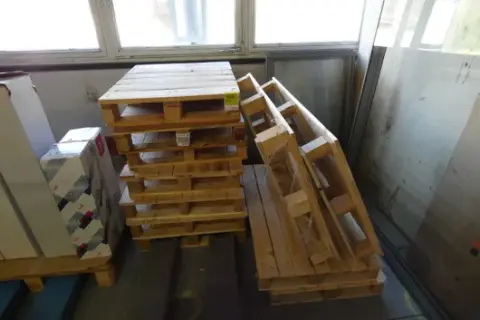
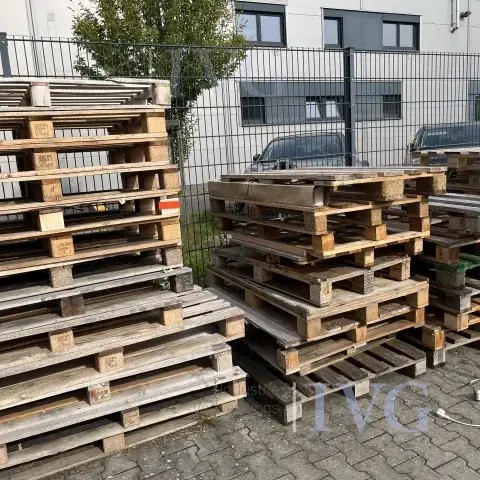
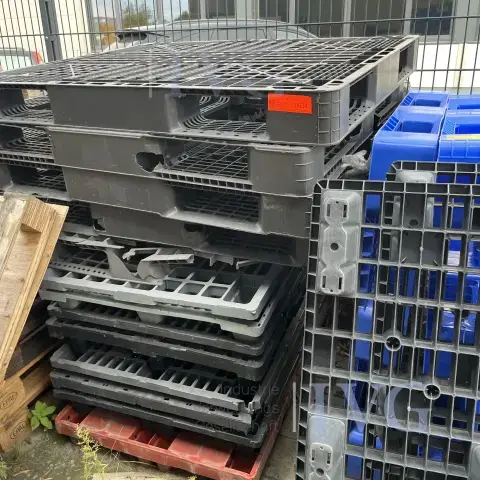
Where these pallets come from
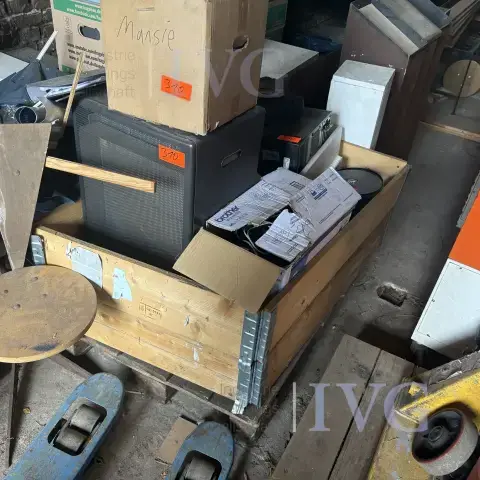
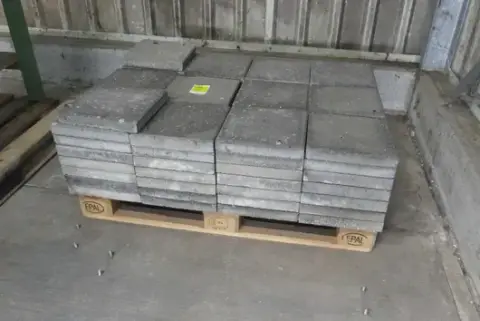
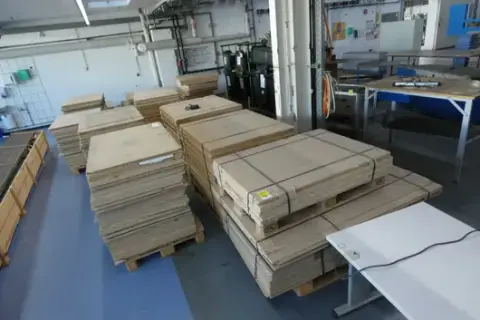
Pallets sold at auction in Germany come mainly from liquidated shop stocks, end-of-line goods and customer returns. They are found at liquidation and insolvency platforms, at licensed auctioneers, and sometimes in customs or court sales of seized goods. The German vocabulary matters: Restposten for clearance stock, Konkursware for bankruptcy goods. Many lots are reserved for businesses, with the note nur für Gewerbetreibende, and sold as seen without warranty. Pallets often go without a single bid, for lack of visibility outside Germany.
What to check before bidding
Read the German description line by line. Ungeprüft means untested, defekt means defective, and some mentions indicate an incomplete or non-compliant lot. Check whether the sale is restricted to professionals and whether any warranty exists: often none. With private auction houses, buyer's fees are added, plus German VAT depending on the applicable regime. Bidorado displays the all-in price, which makes comparison easy. Then calculate the price per unit, including fees and transport, before setting your limit. A seemingly cheap lot can become expensive if the contents are unusable.
Collection on site or transport
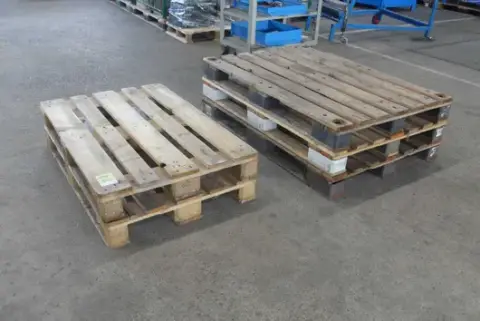
Many pallets are to be collected on site, marked nur Abholung. Plan a suitable vehicle, a loading dock or a forklift, as a pallet is difficult to load by hand. Some sellers ship within Germany or the EU, but transport on a pallet often remains to be organised. A carrier or a relay address in Germany allows you to bring a lot over. A professional in the EU with a valid intra-community VAT number can sometimes buy without German VAT by providing proof of transport, depending on the seller. Ask for the dimensions and weight before bidding.