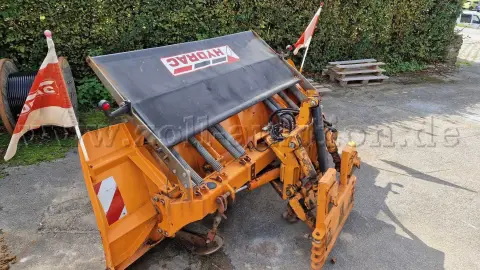
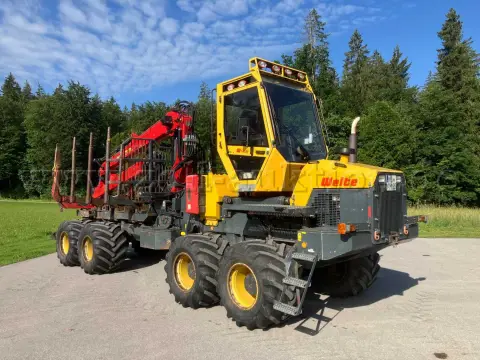
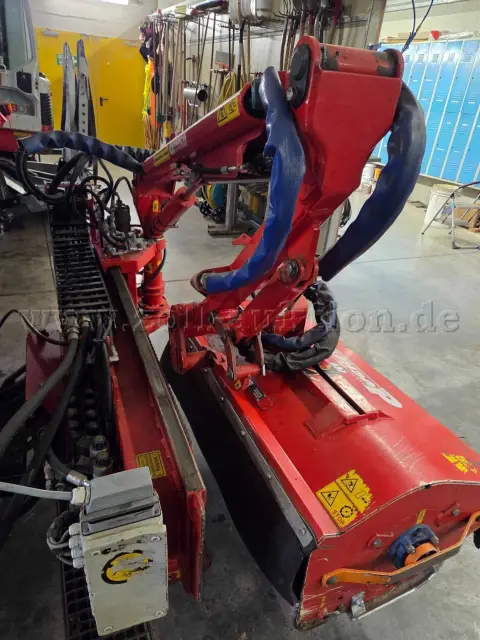
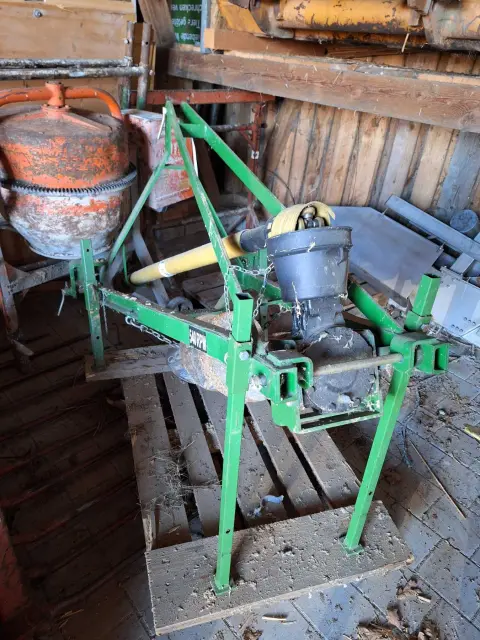
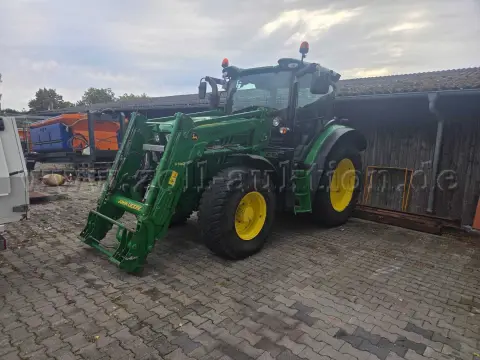
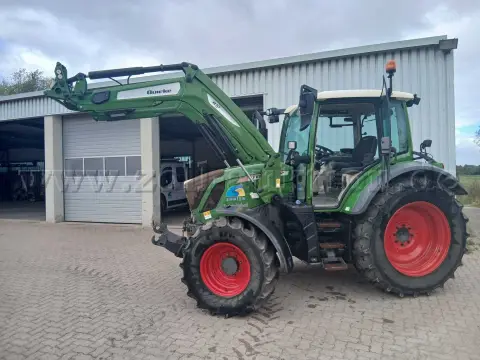
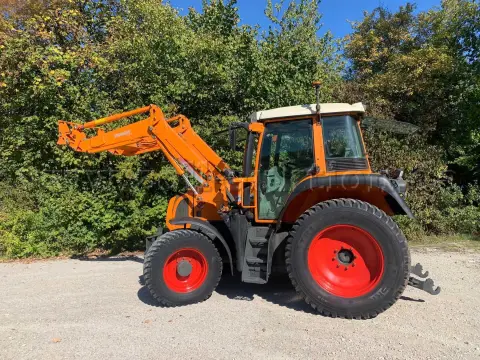
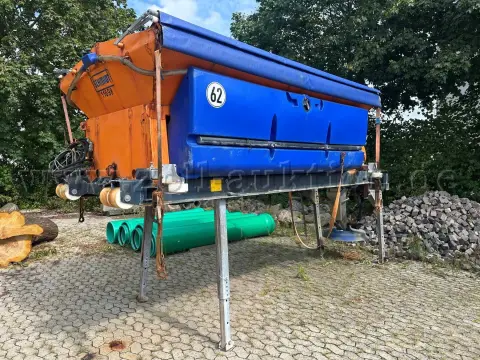
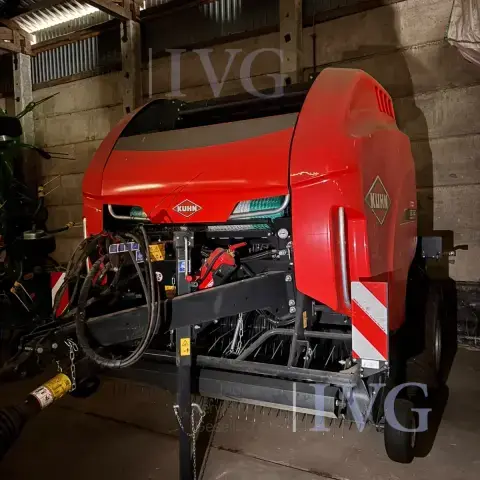
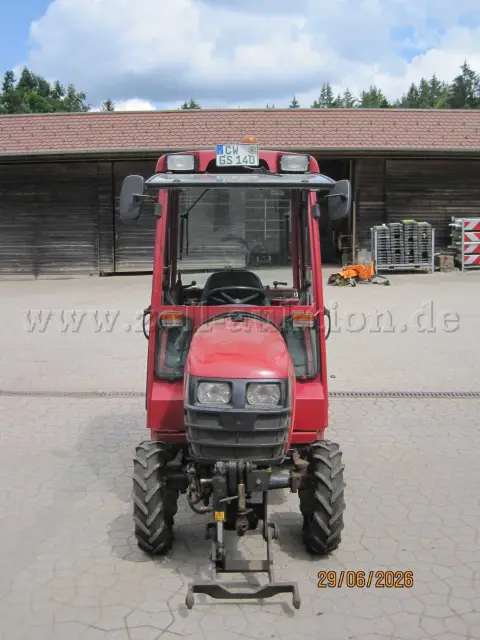
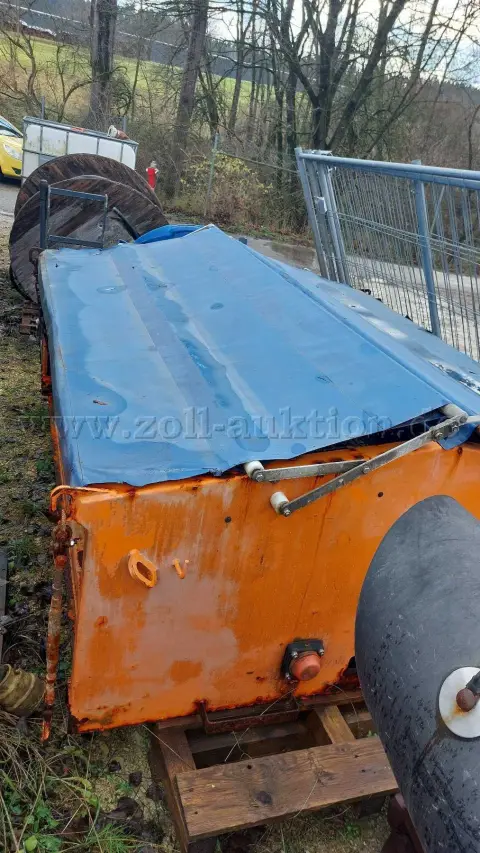
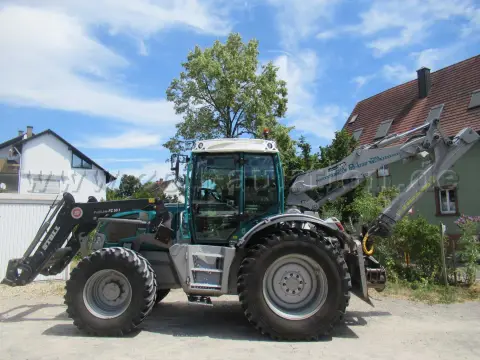
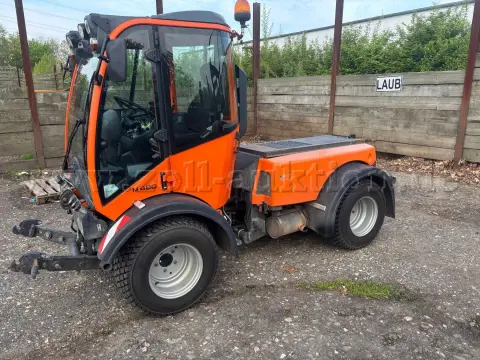
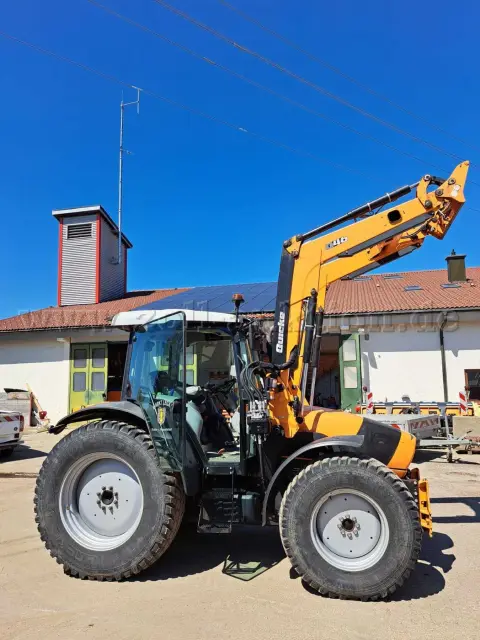
Where agricultural lots come from
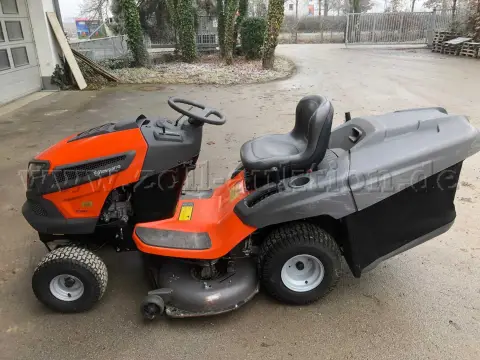
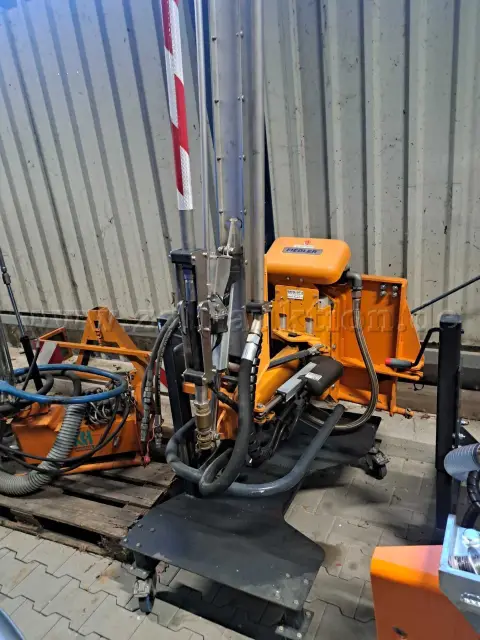
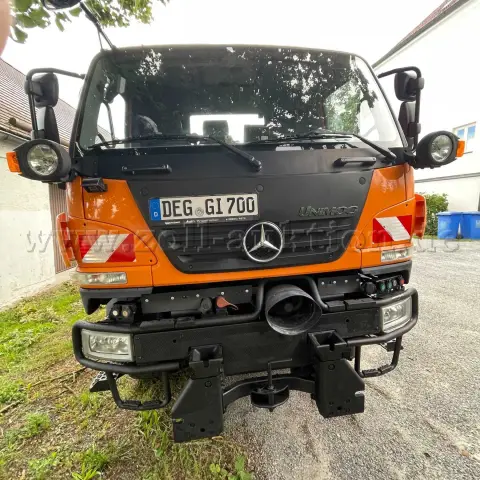
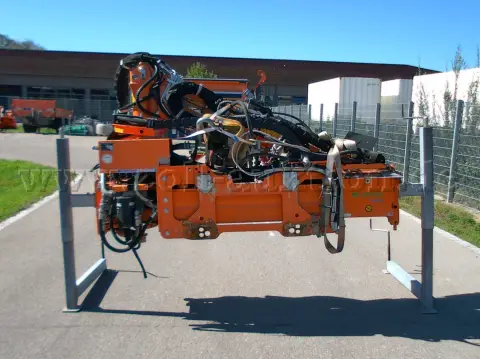
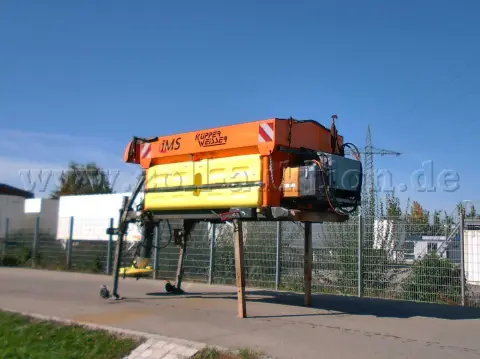
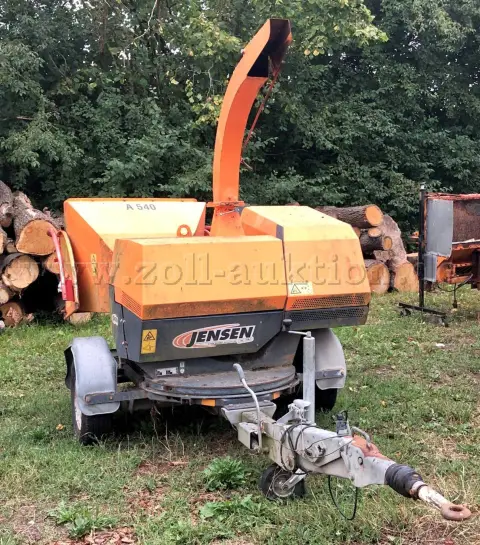
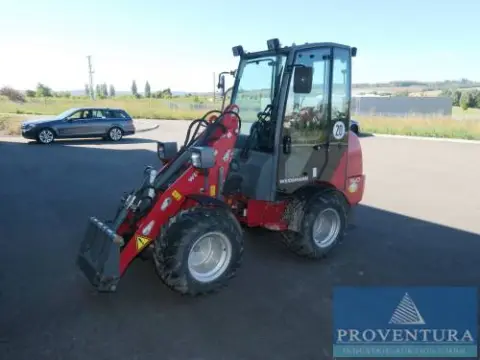
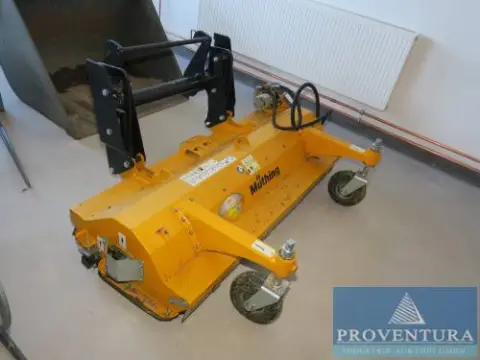
Agricultural lots mainly come from company liquidations by insolvency administrators, sales of decommissioned customs equipment and seized goods sold by courts. You will also find farm equipment from liquidation and insolvency platforms. The German descriptions are decisive: "betriebsbereit" indicates equipment in working order, "ohne Funktionsprüfung" or "ungeprüft" an untested lot, "defekt" a defective lot. Also read "Baujahr" for the year of manufacture and "nur für Gewerbetreibende" if the sale is reserved for businesses. Bidorado does not sell anything: you bid on the seller's official website.
Checks before bidding
Check the actual condition of the lot: old agricultural equipment may require compliance work before it can be used by employees, which can be expensive. Check the stated supply voltage, "Starkstrom" or "400 V", and the power available on your farm. For medical equipment, putting it back into service may require maintenance or requalification by an approved body. Read the seller's terms: no warranty or right of withdrawal as with online purchases. Note the buyer's premium and German VAT of 19% depending on the scheme, and the collection deadline "Abholfrist".
Collection, delivery and dismantling
Many lots are to be collected on site, marked "nur Abholung". Dismantling and removal are often the buyer's responsibility, with the note "Demontage durch den Käufer", within a fixed deadline, sometimes with an approved carrier. Some sellers ship within Germany or the EU. Between Germany and another EU country, no customs duty applies. Only delivery outside the EU, to Switzerland, the United Kingdom or Norway, incurs import duties and VAT. An EU business with a valid VAT identification number can often buy without German VAT by providing proof of transport, depending on the seller.