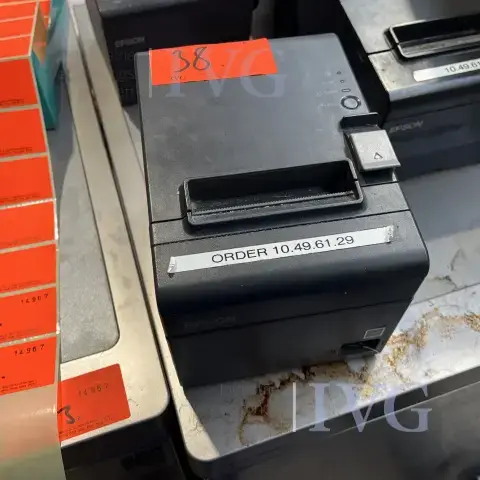
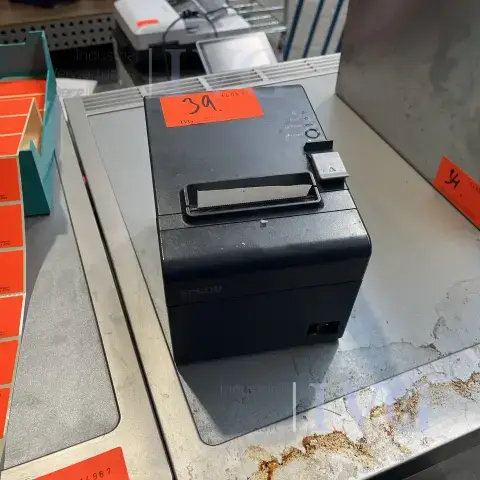
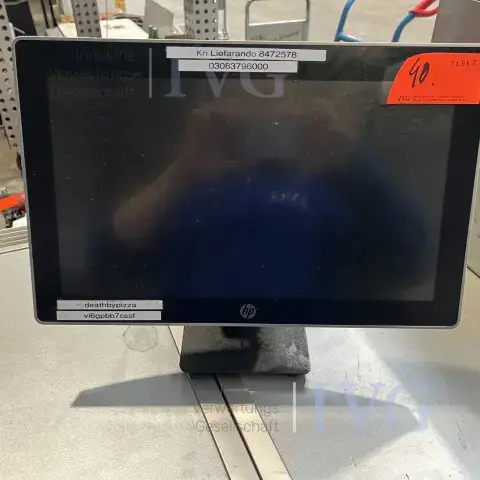
Where do these IT lots come from
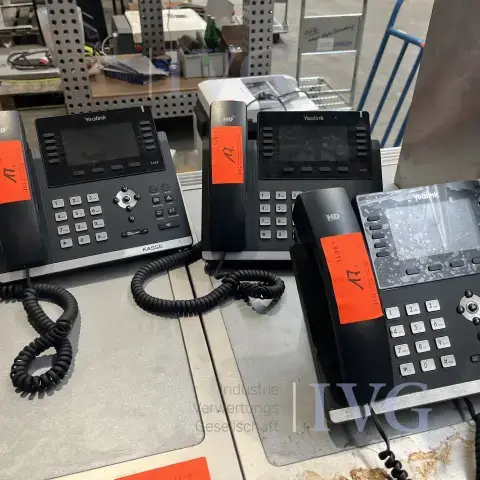
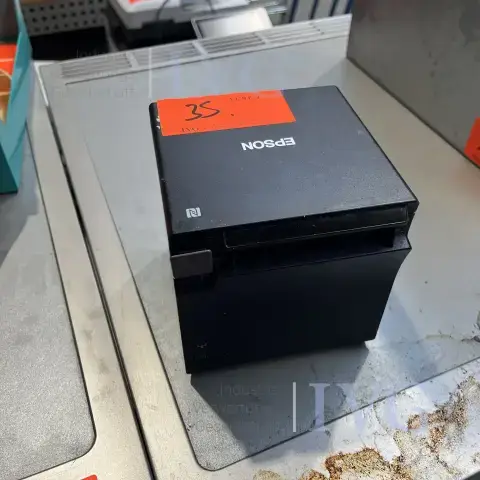
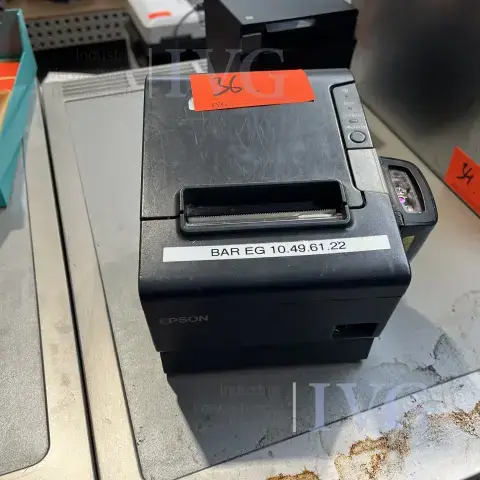
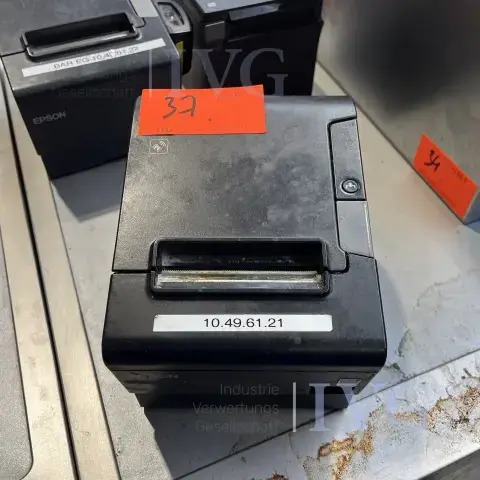
Refurbished IT equipment from public authorities comes through Zoll-Auktion, the platform of customs, the federal government, the Länder and municipalities. Seized devices go through Justiz-Auktion, which sells goods confiscated by bailiffs and courts. Add to that insolvency and liquidation stocks, sold off by industrial platforms and private auction houses. These sales are scattered and little known outside Germany, so many lots go without a single bid. Devices are frequently offered in lots of several units, which suits a reseller or an IT department, less so an individual buyer.
Checkpoints before bidding
Read the German listing word by word. "Ohne Festplatte" means a hard drive removed to protect data: plan for a replacement. "BIOS-Passwort" indicates a locked computer, "MDM" or "Geräteverwaltung" a device enrolled in a company fleet, "SIM-Lock" a phone locked to an operator. On seized iPhones and iPads, the number one trap remains "Aktivierungssperre" or "iCloud-Sperre": the device is unusable. Take into account "ohne Netzteil", "ohne Ladekabel", "Akku defekt", "ungeprüft" and "defekt". Keyboards are often in German QWERTZ layout. An auction generally offers neither warranty nor right of withdrawal.
Collection, shipping and VAT
Many lots are for collection on site, marked "nur Abholung". Lithium batteries restrict shipping with many carriers, which pushes sellers towards collection. Some ship within Germany or the EU: ask before bidding. No customs duty between Germany and another EU country; only delivery outside the EU, Switzerland, the UK or Norway for example, incurs import duties and VAT. For private sellers, expect an Aufgeld of 15 to 20% with liquidators and industrial platforms, often 25 to 33% with art auction houses, plus German VAT of 19% depending on the scheme. An EU business with a valid VAT number can often buy without German VAT with a Gelangensbestätigung.